- 14/08/2026
- News
Tracking Young Salmon on the River Spey
At Alvance British Aluminium, we generate renewable hydroelectric power through our Lochaber Hydro Scheme, a network of reservoirs, dams and waterways that has been part of the Highlands for almost a century and runs through Jahama Highland Estates. Alongside producing low-carbon electricity to make our primary aluminium, we are committed to understanding and protecting the natural environment in which we operate.
As part of that long-term commitment, in 2026, we have again been carrying out our smolt tracking project on the upper River Spey, both upstream and downstream of Spey Dam.
Smolts are young salmon preparing to leave freshwater rivers and begin their journey to the sea. This stage of their life cycle is critical, and understanding how they move through rivers, reservoirs and dams helps us ensure that our operations support healthy fish populations.
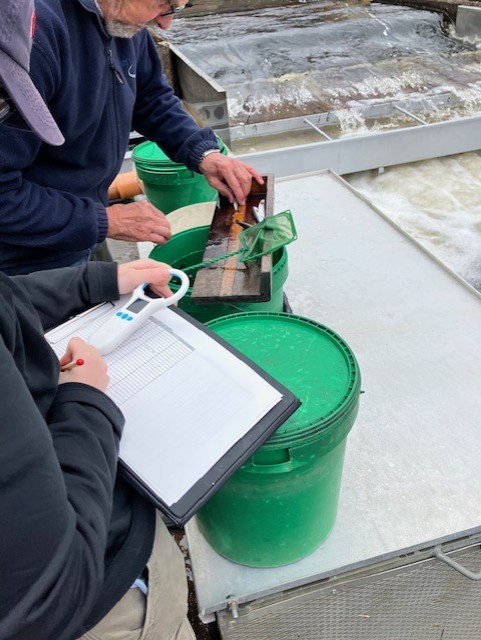
The project focuses on tracking the migration of smolts as they pass through the reservoir and Spey Dam, which forms part of the Lochaber Hydro Scheme. Under natural river conditions, the young salmon are guided into a Rotary Screw Trap located around three miles upstream of the dam. There, they are safely handled by specialists, measured, genetically identified and fitted with a small PIT (Passive Integrated Transponder) tag, allowing each fish to be tracked as it continues its journey downstream.
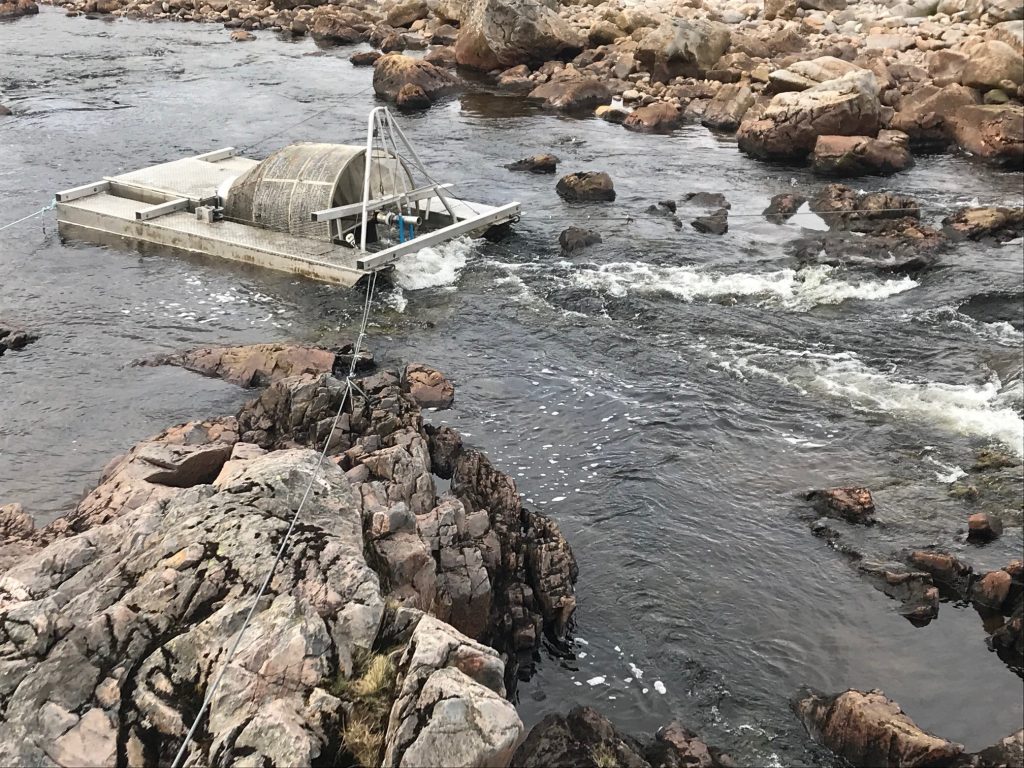
Rotary screw trap
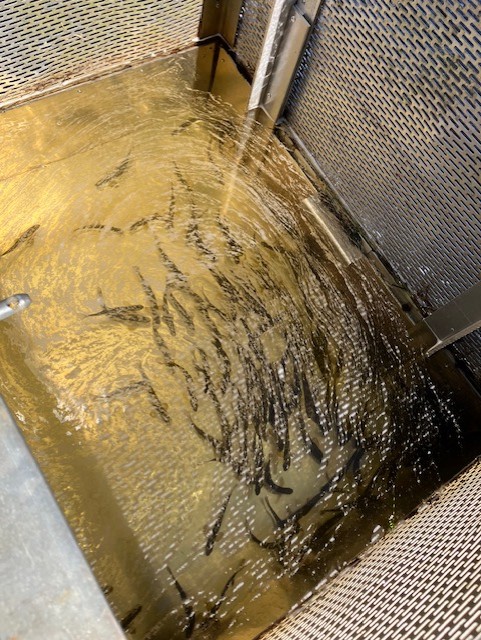
After being released, the smolts travel through the reservoir and pass Spey Dam before entering a second monitoring point known as the Wolff Trap. Here, the fish are counted, measured and scanned for PIT tags, providing valuable information on how long they take to move through the system and how successfully they complete this stage of their migration.
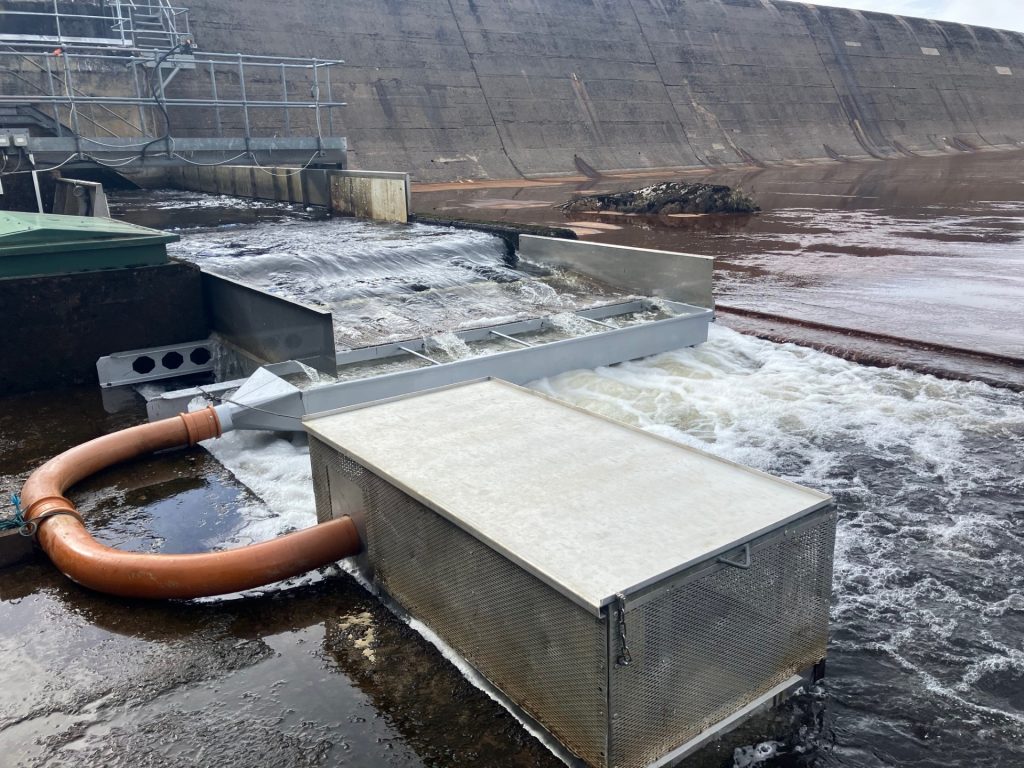
Wolff Trap
To support the project, we have worked closely with the Spey Fishery Board, drawing on its extensive fisheries expertise. We have also collaborated with SEPA and NatureScot to ensure the project follows recognised environmental best practice. All three organisations have praised the design and delivery of the work, recognising it as a safe and effective approach to monitoring salmon migration.
Smolt Data Collection
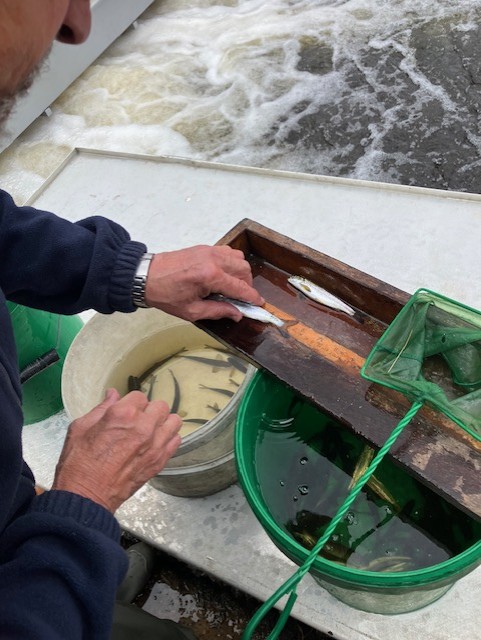
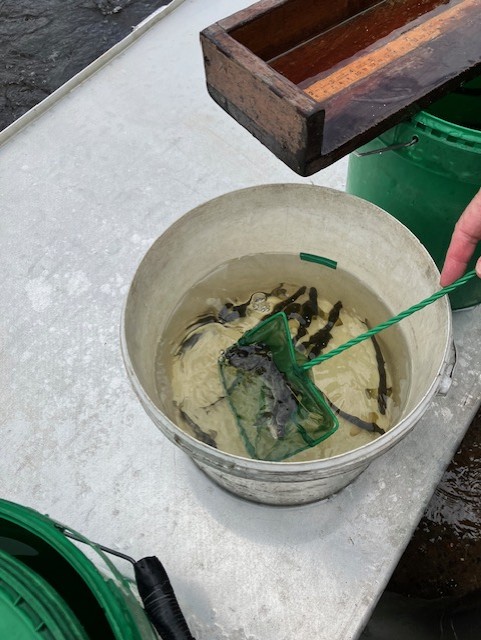
This year, we have also invested in significant improvements to the Wolff Trap to further enhance its efficiency and the quality of the data collected.
Salmon migration is strongly influenced by environmental conditions, particularly water temperature and river flows. While water temperatures have remained relatively low this year, periods of warmer weather have resulted in noticeable increases in smolt movement. The highest daily catch recorded so far in 2026 has been 470 smolts.
In total 2814 smolts have been captured, tagged and tracked as part of the project following annual migration.
These results are encouraging and consistent with previous years. The data will help improve our understanding of salmon migration within the Lochaber Hydro Scheme. The information gathered will support future environmental management and contribute to the long-term protection of one of Scotland’s most iconic species.
Tags
Latest News
View All News
News
Alvance British Aluminium publishes 2025 Sustainability Report
Alvance British Aluminium has published its 2025 Sustainability Report, providing an open account of the company’s environmental, social and governance...
Read More News
News
Coming Together to Support Our Colleague and His Family for Cardiac Risk in the Young (CRY)
We want to share a fundraising appeal for Cardiac Risk in the Young (CRY), a charity that is particularly...
Read More Press Release
Alvance British Aluminium colleagues raise funds for Highland families through HALO
Colleagues at Alvance British Aluminium raised £2,416 with the company topping the amount to £5,000 for Highland Action for Little...
Read More Blog
Blog
Where Papa Moyn’s Next Adventure Led – Now We’re Recruiting
Liam Moynihan has raced at World Cups across six continents, ridden down an active volcano and built an online audience...
Read More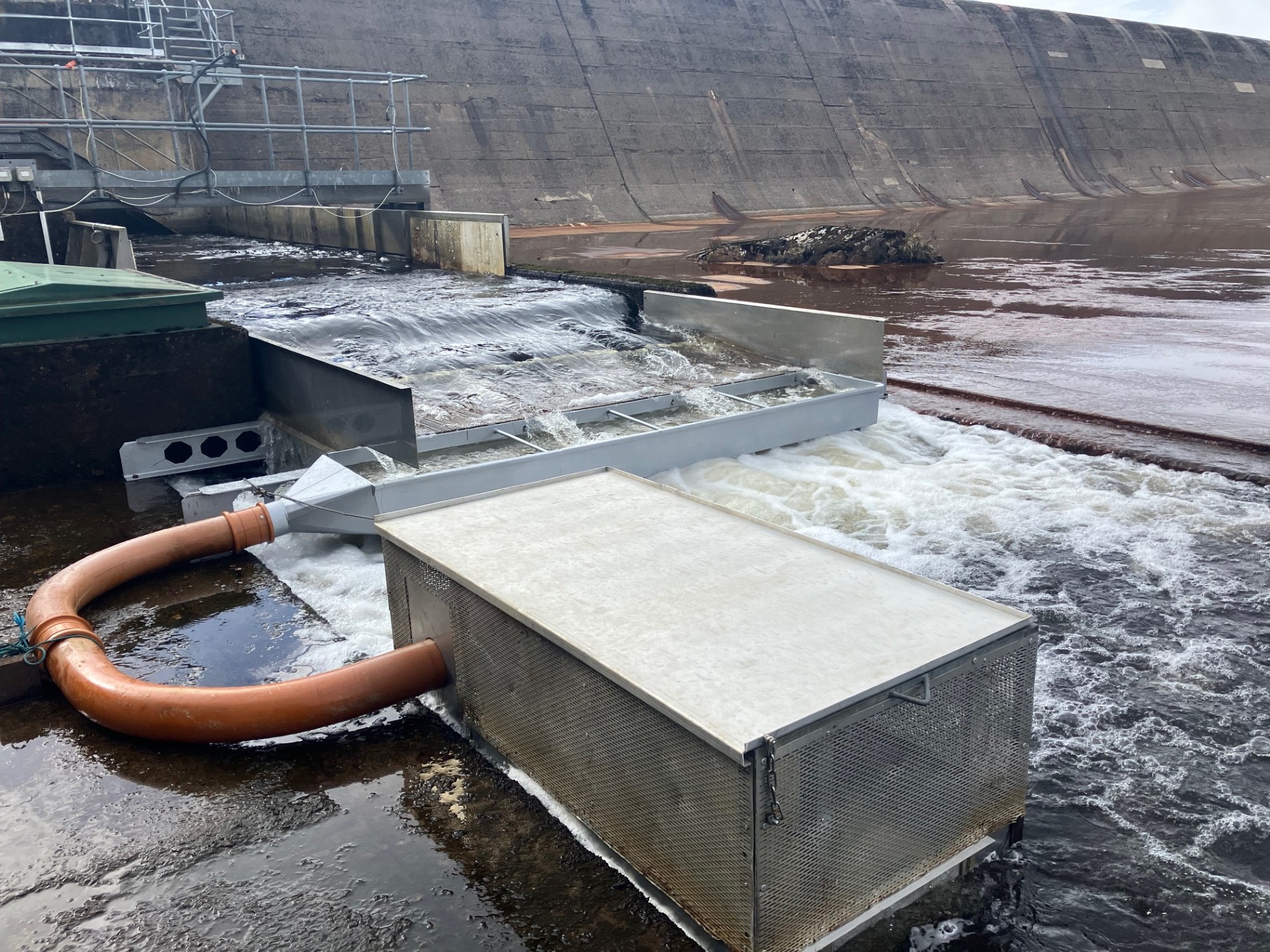 News
News
Tracking Young Salmon on the River Spey
At Alvance British Aluminium, we generate renewable hydroelectric power through our Lochaber Hydro Scheme, a network of reservoirs, dams and...
Read More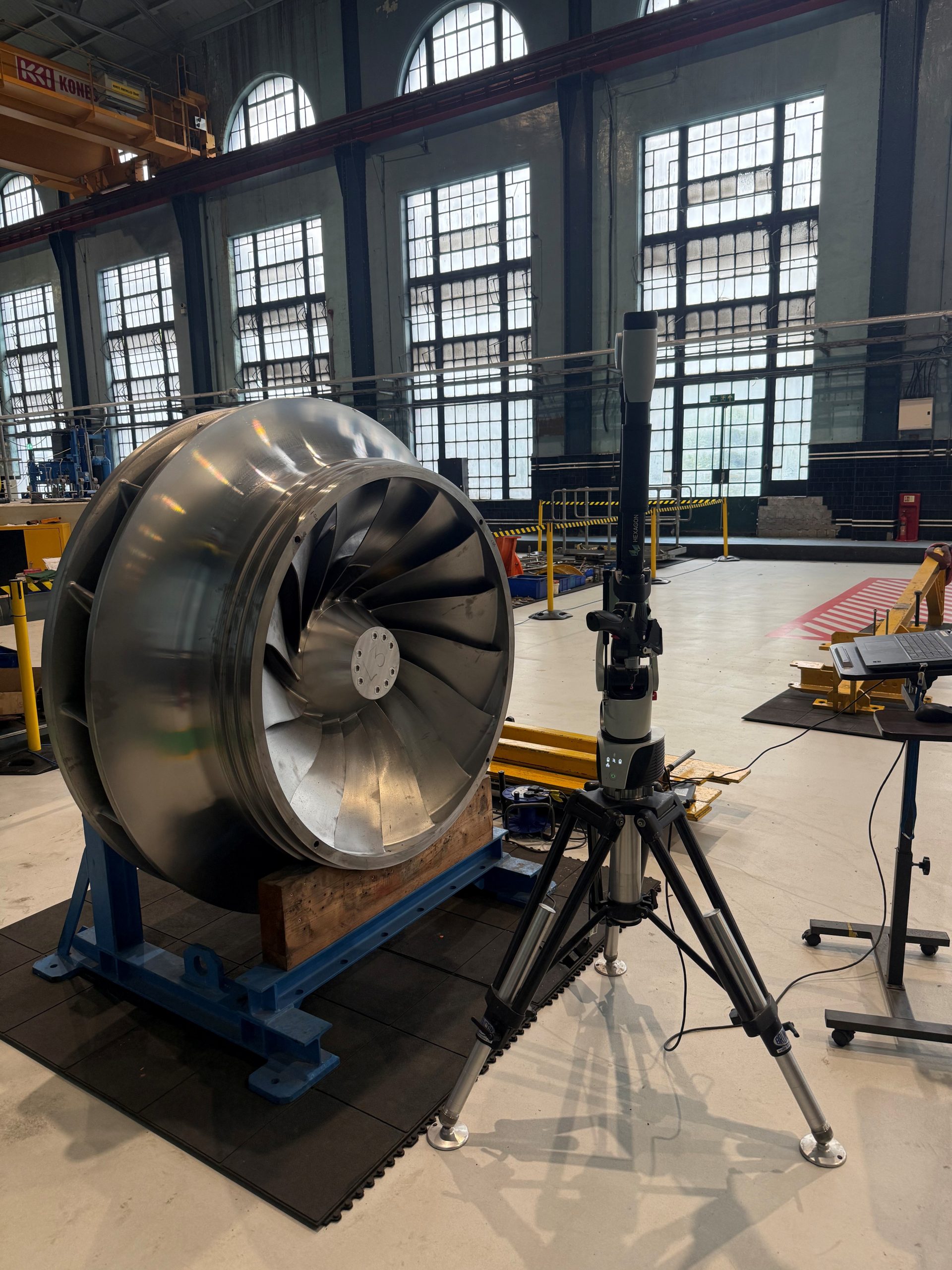 News
News
Major Maintenance and Investment Programme at Lochaber Power Station
Alvance British Aluminium is currently undertaking a significant programme of maintenance and investment at Lochaber Power Station this summer, helping...
Read More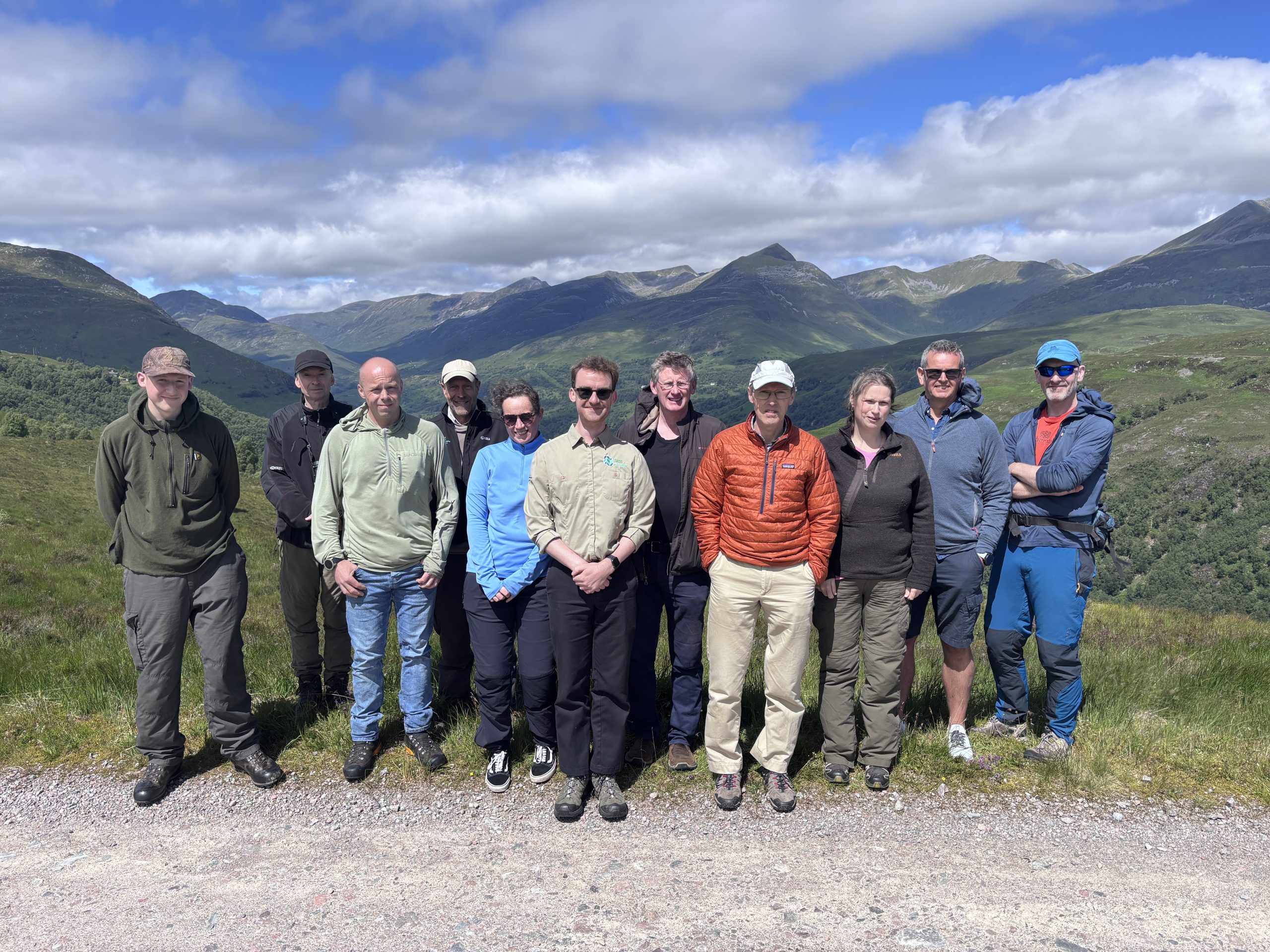 News
News
JAHAMA Highland Estates Welcomes Scottish Forestry Executive Board
JAHAMA Highland Estates recently welcomed the Scottish Forestry Executive Board for a two-day programme of meetings and site visits across...
Read More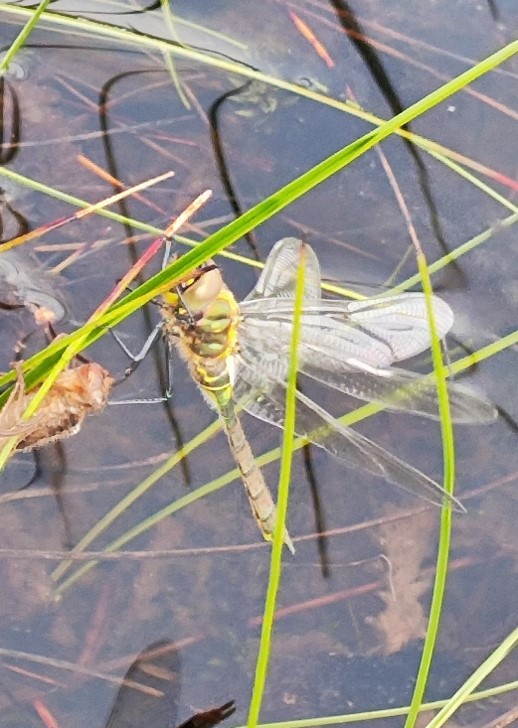 News
News
Positive Update from the British Dragonfly Society for Jahama Highland Estates
Three of Scotland’s rarest dragonfly species are benefiting from peatland restoration work on our Mamore Estate within the Kinlochleven area...
Read More