- 30/12/2025
- Blog
Why Skills, Housing and Transport Are Essential for Highland Industry
Alvance British Aluminium operates one of the most unique industrial sites in the UK. Our Fort William smelter produces aluminium using renewable hydroelectric generation, giving the site one of the lowest carbon footprints in primary aluminium production worldwide. Lochaber Smelter produces aluminium with a carbon footprint of 4.26 tonnes of CO2 per tonne of metal, which is 70 per cent below the global average. This is made possible by the advantages that come from rural estate holdings through JAHAMA Highland Estates, dedicated hydro generation and the full chain of smelting and casting expertise on site.
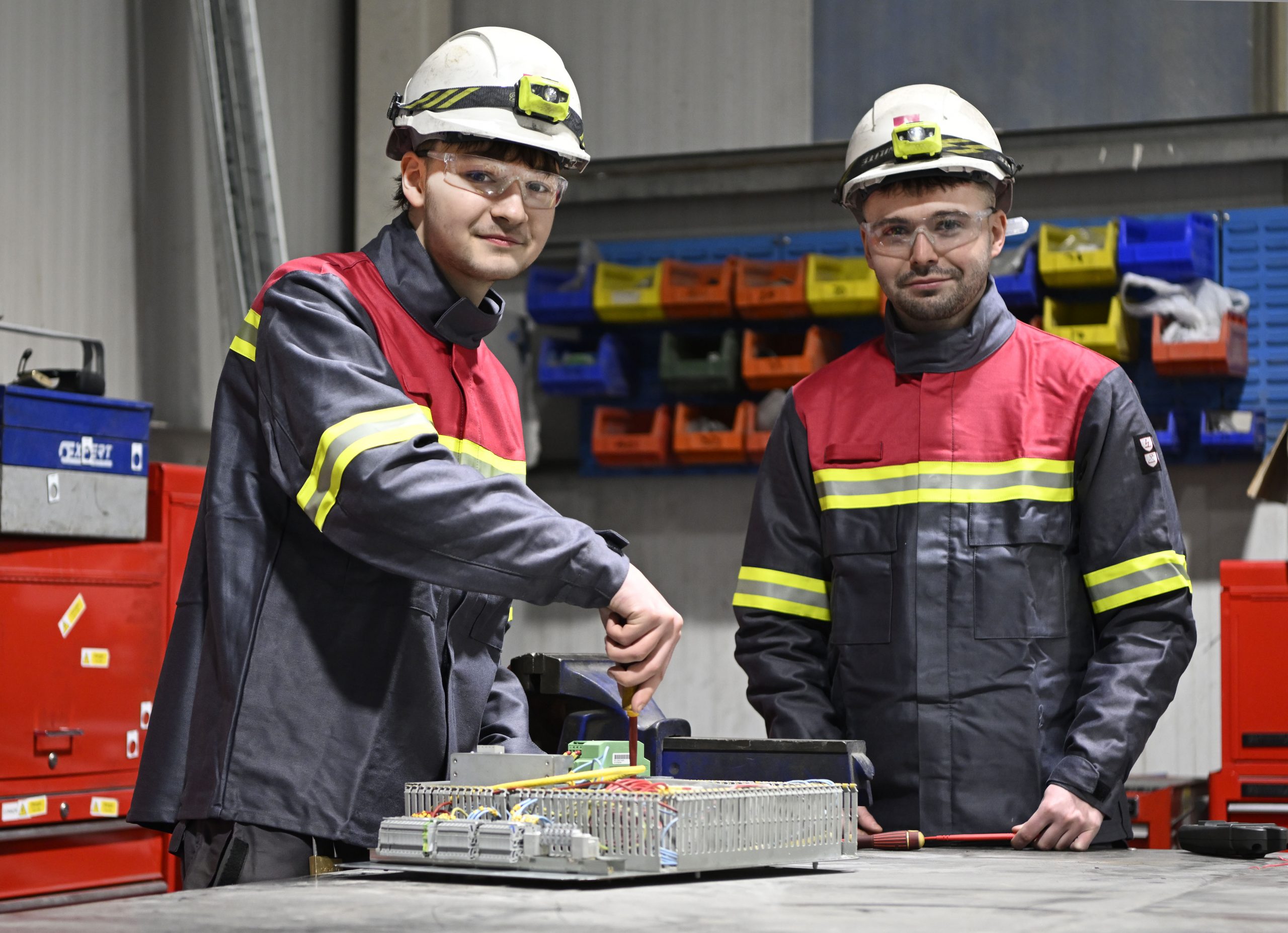
This location is central to who we are, but it also brings challenges that are not shared by producers based near major infrastructure.
We want to set out these challenges openly in this blog while also highlighting the steps we are taking to strengthen our operations and contribute positively to the Highlands.
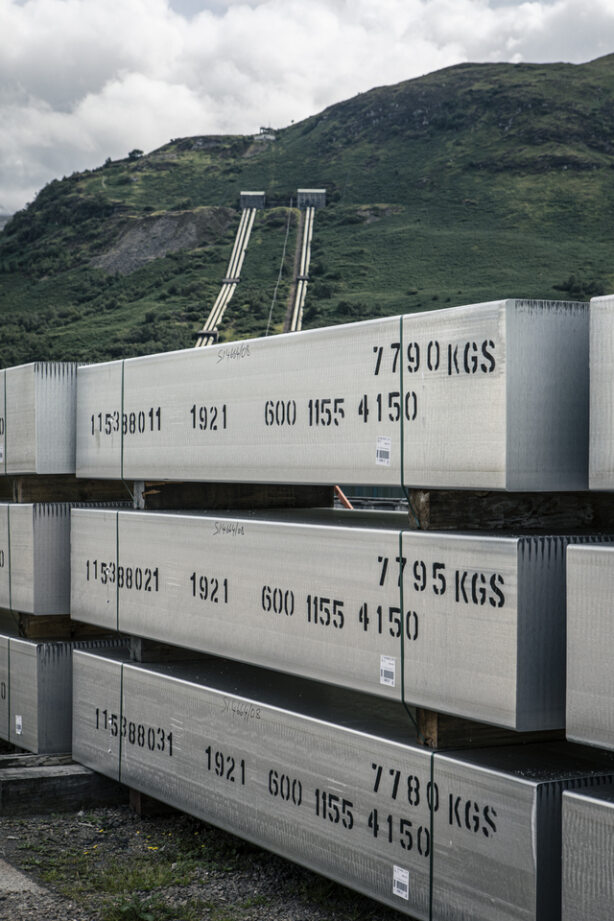
Transport and Connectivity
The single most pressing infrastructure issue for businesses in Lochaber is the A82. This is the main north-south trunk road that connects Glasgow to Inverness via Fort William. Aside from our alumina and anodes, every tonne of goods, every delivery and every journey made by our employees and contractors depends on this route. Yet it remains narrow, congested, prone to accidents and fatalities, resulting in lengthy closures and extremely long diversions.
The A82 is one of the busiest routes in Scotland, carrying a mix of heavy freight, local traffic and visitors. The lack of investment over decades has left it unfit for purpose.
While our alumina arrives at the smelter by train, almost everything else we rely on travels this road, right from essential materials to the finished aluminium leaving the site. For an industrial operation like ours, it is a daily reminder of how fragile our supply chains can be. Delays increase costs, impact efficiency, and add to the risks faced by everyone who depends on this route.
The A9, while also important for connectivity in the region, does not have the same day-to-day impact on our operations as the A82. Dualling the A9 is a national priority, but for the Lochaber industry, an upgraded A82 is even more critical. Without it, the competitiveness of local businesses will continue to be undermined and potential growth constrained.
Rail and Port Investment
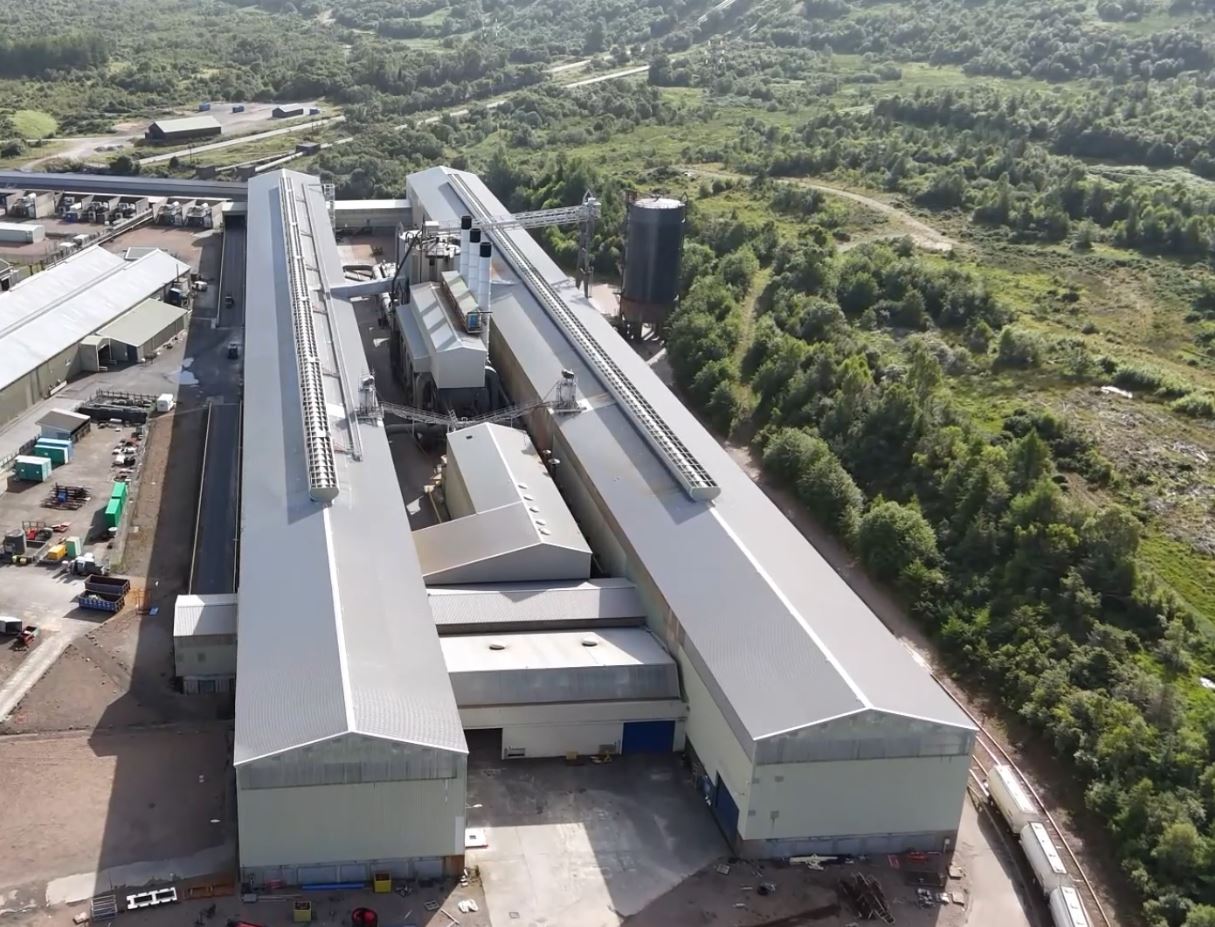
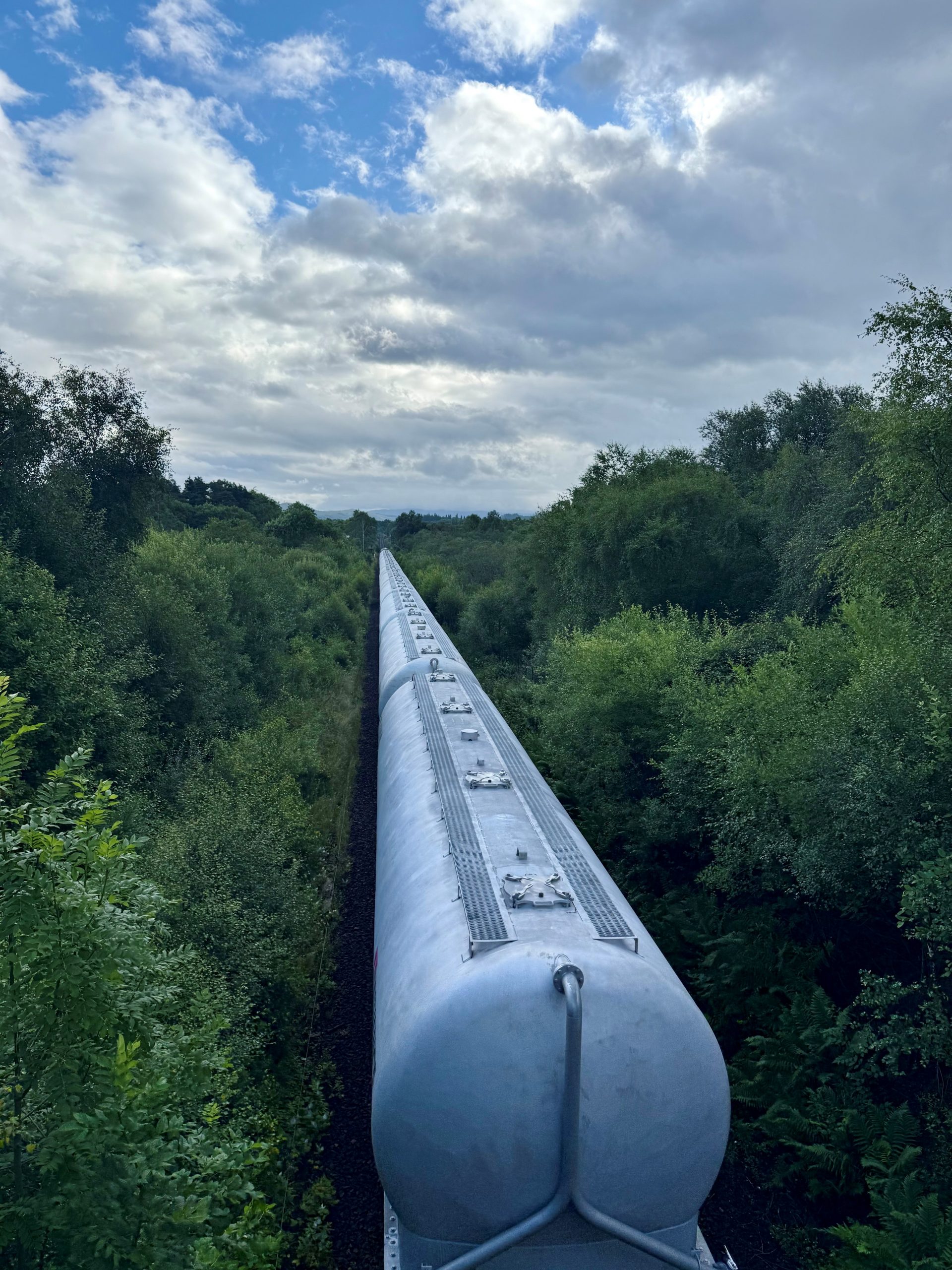
Recognising these risks, we have made substantial investments in our rail and port facilities. All our alumina arrives through the Port of Blyth at our Ship Unloading Facility and is transported by rail directly to Fort William. Over the past year, we committed more than half a million pounds to upgrade the rail loading system at Blyth, replacing equipment, control systems and strengthening structures to allow heavier loads.
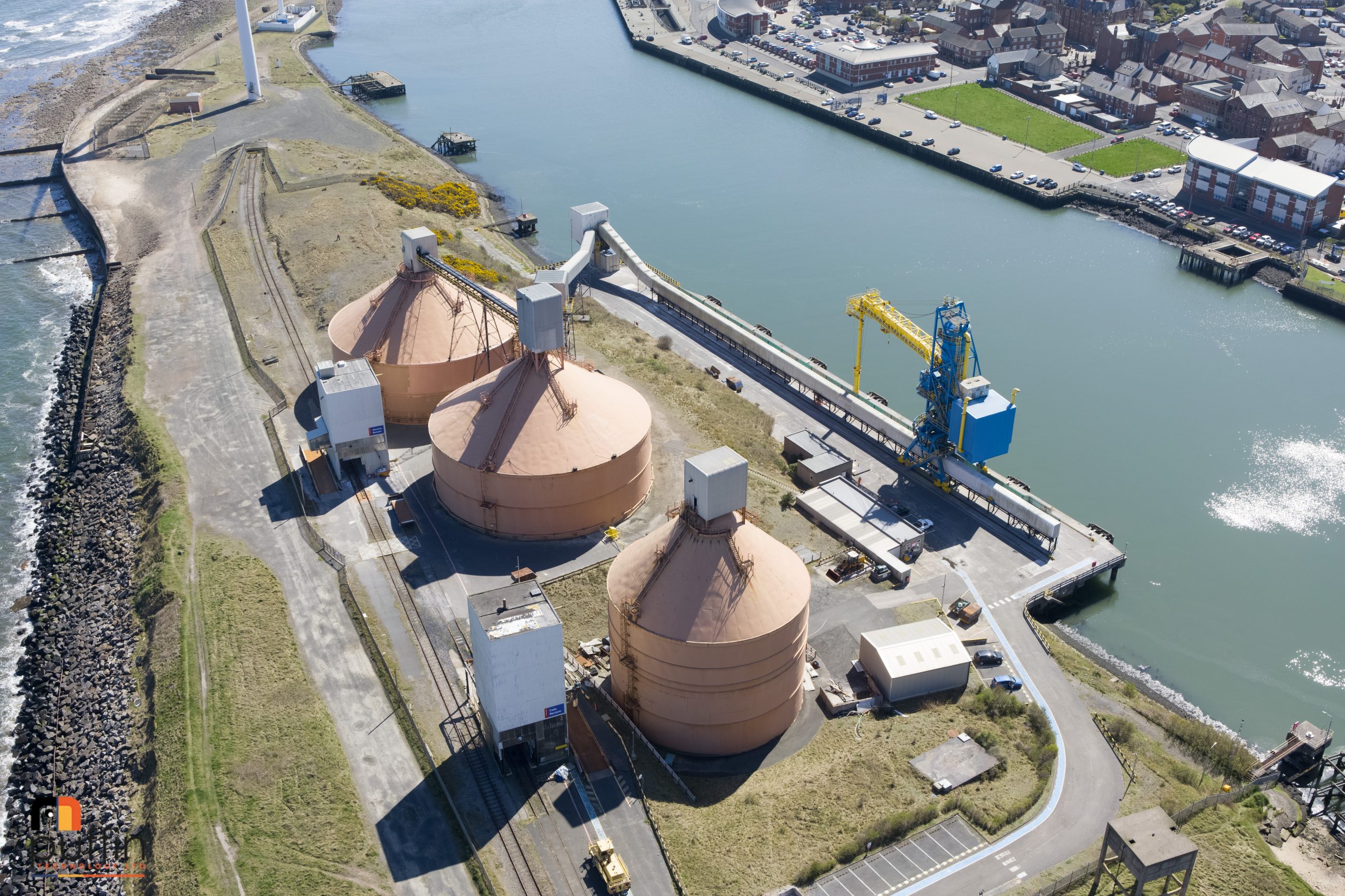
This is part of a wider multi-million-pound programme that includes the introduction of new JPA rail wagons and improvements across the transport chain. This work reflects our belief that moving bulk materials by rail is the right choice both for efficiency and for the environment. You can read more about this infrastructure investment here.
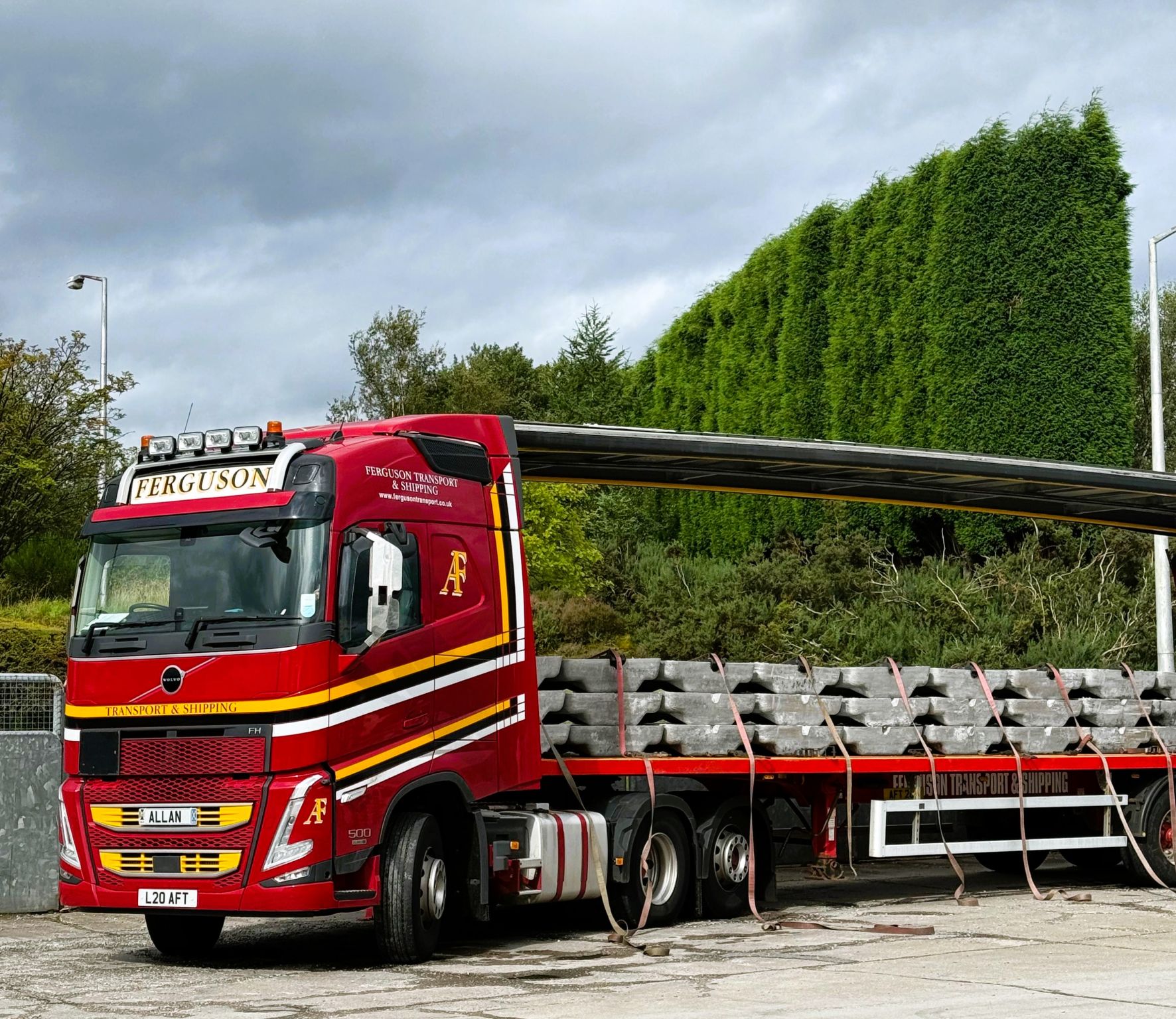
In recent years, by moving our carbon anode deliveries from the Port of Inverness to the Port of Corpach, we have significantly reduced road mileage and eased congestion on the A82. Anodes are now shipped directly to Corpach, just a few miles from our site, eliminating more than 1,000 truck journeys each year, a saving of over 65,000 road miles.
Of course, the urgent requirement for improvements to transport infrastructure would not only serve us. Other businesses, locals and visitors in the Highlands could benefit greatly from better transport, reducing their reliance on the A82 and helping to lower emissions across the region.
Housing and Skills
A strong workforce depends not only on training but also on the ability of people to live within reach of their jobs. In Lochaber, this is becoming increasingly difficult, with affordable housing in short supply. The result is fewer options for families and higher costs for those who want to settle here permanently.
For businesses like ours, this shortage has significant consequences. Skilled people who might otherwise relocate to the area are unable to find homes. Local employees face pressure on family life, and younger generations can feel pushed to leave the region altogether. Without new housing, industry struggles to recruit and retain the talent it needs.
There are encouraging signs, though, the current strategic housing development in Fort William is the largest affordable housing project in the Highlands since the 1980s. This is a positive step forward, but there is still a long way to go before supply can catch up with demand.
At the same time, the demand for technical and scientific skills is growing. Aluminium production and estate management depend on strong skills foundations in science, technology, engineering and mathematics. We are addressing this by working closely with education across Lochaber and beyond to promote STEM learning, provide apprenticeships and offer clear career pathways.
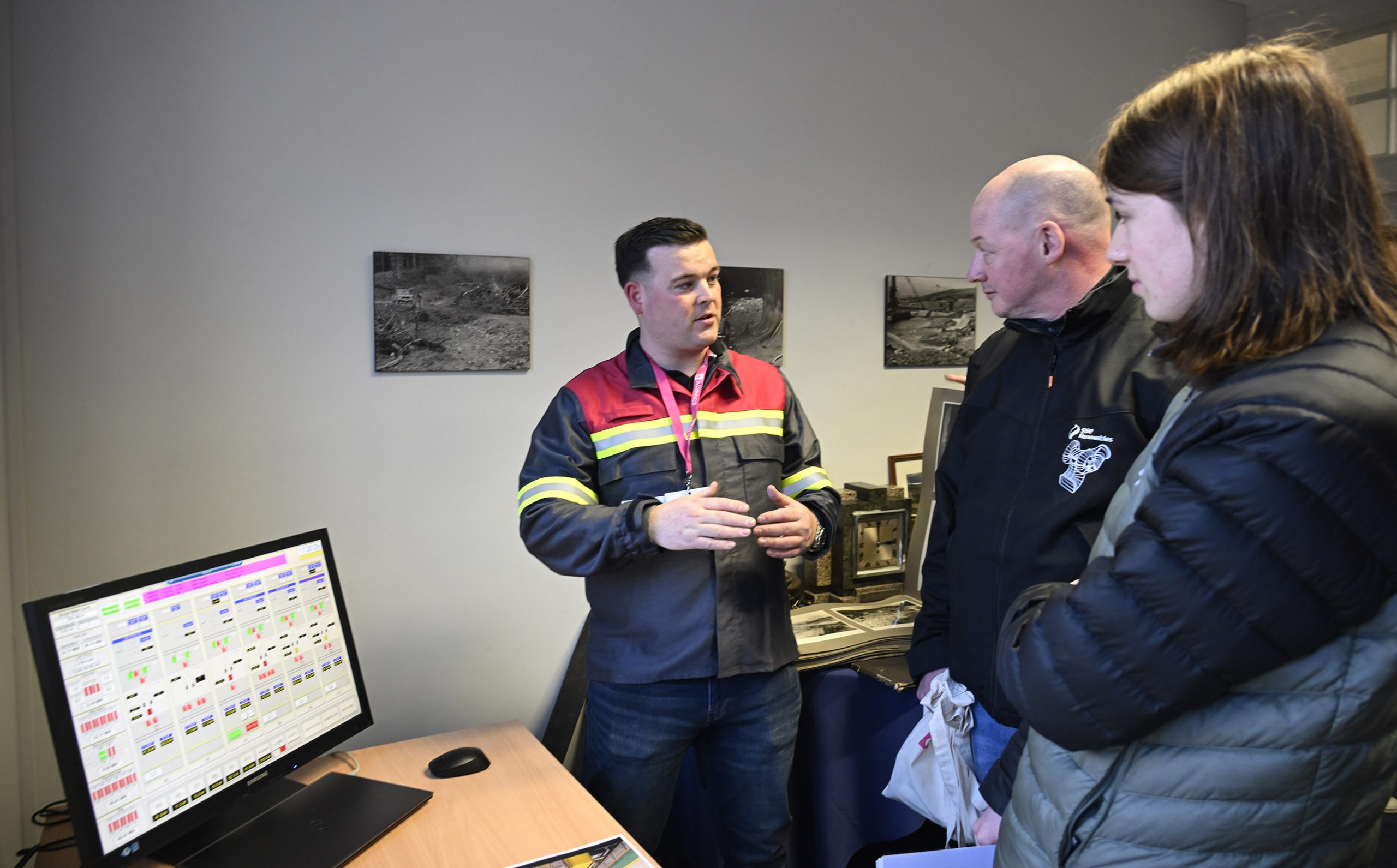
We are working in partnership with Lochaber High School, UHI Inverness, MCR Pathways and the Engineering Development Trust to help young people explore careers in industry and reach positive destinations after school. Through these partnerships, pupils are given mentoring support, insight days and hands-on experience that help them connect their education to tangible opportunities.
Our award-winning “Your Future Career in Lochaber” event brings together local employers, schools and training providers to showcase the wide range of skilled jobs available in the area. Many of our own employees first joined through this route, and today more than 20 per cent of our workforce began their career as apprentices. Read more about this work here.
By combining progress in housing with a stronger focus on skills and training, the region can secure the workforce needed for the future. We aim to ensure that young people not only see opportunities in industry but can also stay in the area to take them up.
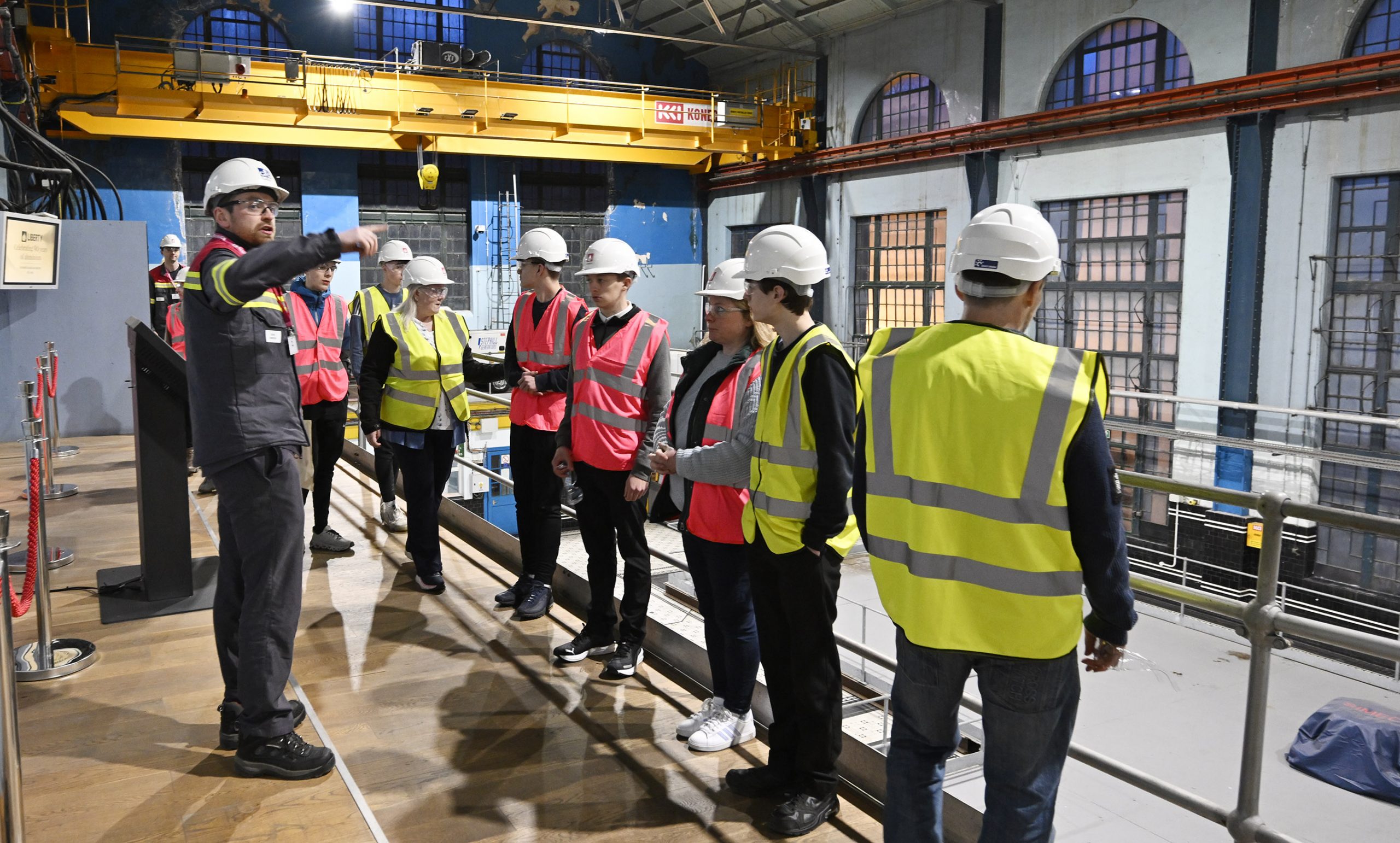
You can read more here about our 2025 training cohort.
To summarise?
Operating in the Highlands is both extremely rewarding and demanding. Our location provides clean hydropower and a strong sense of community, yet like many local employers, we face structural challenges that must be addressed for the region to prosper and remain competitive.
National policies often overlook rural industry; these pressures create ongoing barriers to growth. Addressing transport, housing and skills together is essential if Lochaber is to attract and retain the people and investment needed to secure its future.
We remain committed to Lochaber and to low-carbon production, but these efforts must be matched by public investment and long-term policy support.
As a key employer providing over 200 skilled jobs, we are focused on developing future workforces. Our operations support many other livelihoods in the community through engineering firms, local suppliers, hotels and a variety of other services. We recruit apprentices locally, promote continued education through to degree level and beyond, working closely with schools, colleges and universities to strengthen the curriculum and inspire future careers.
We also support local charities, community projects, sporting events and environmental initiatives across our estates, including the Spey Catchment Initiative, Nevis Nature Network, South of Scotland Golden Eagle Project and British Dragonfly Habitat Improvement Programme. These example partnerships reflect our commitment to a thriving and sustainable Lochaber.
However, a strong workforce relies on much more than what employers can provide alone. It depends on people having the opportunity to live, learn and work within their own community. In Lochaber, that balance is becoming harder to achieve as housing, transport and skills challenges limit opportunities for our community and the businesses that depend on them.
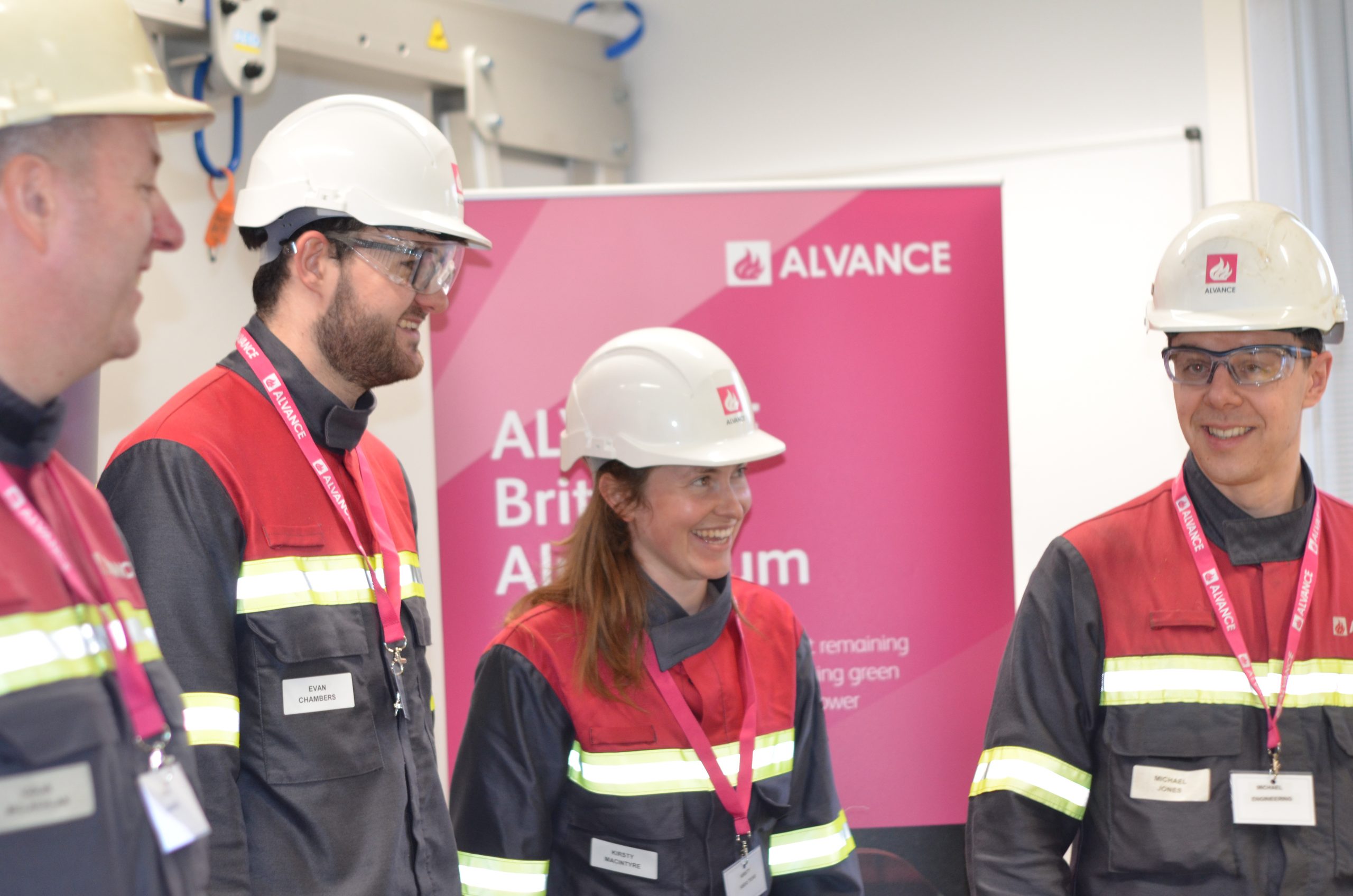
You can read more here on our 2024 sustainability report, highlighting the work we are doing to reduce emissions, increase recycling and work more closely with our communities with enhanced apprenticeships, training and safety across the site, ensuring people remain at the centre of what we do.
We remain committed to working closely with stakeholders across the UK and Scottish Governments to ensure the voice of Lochaber’s industry is heard and reflected in future policy decisions.
Latest News
View All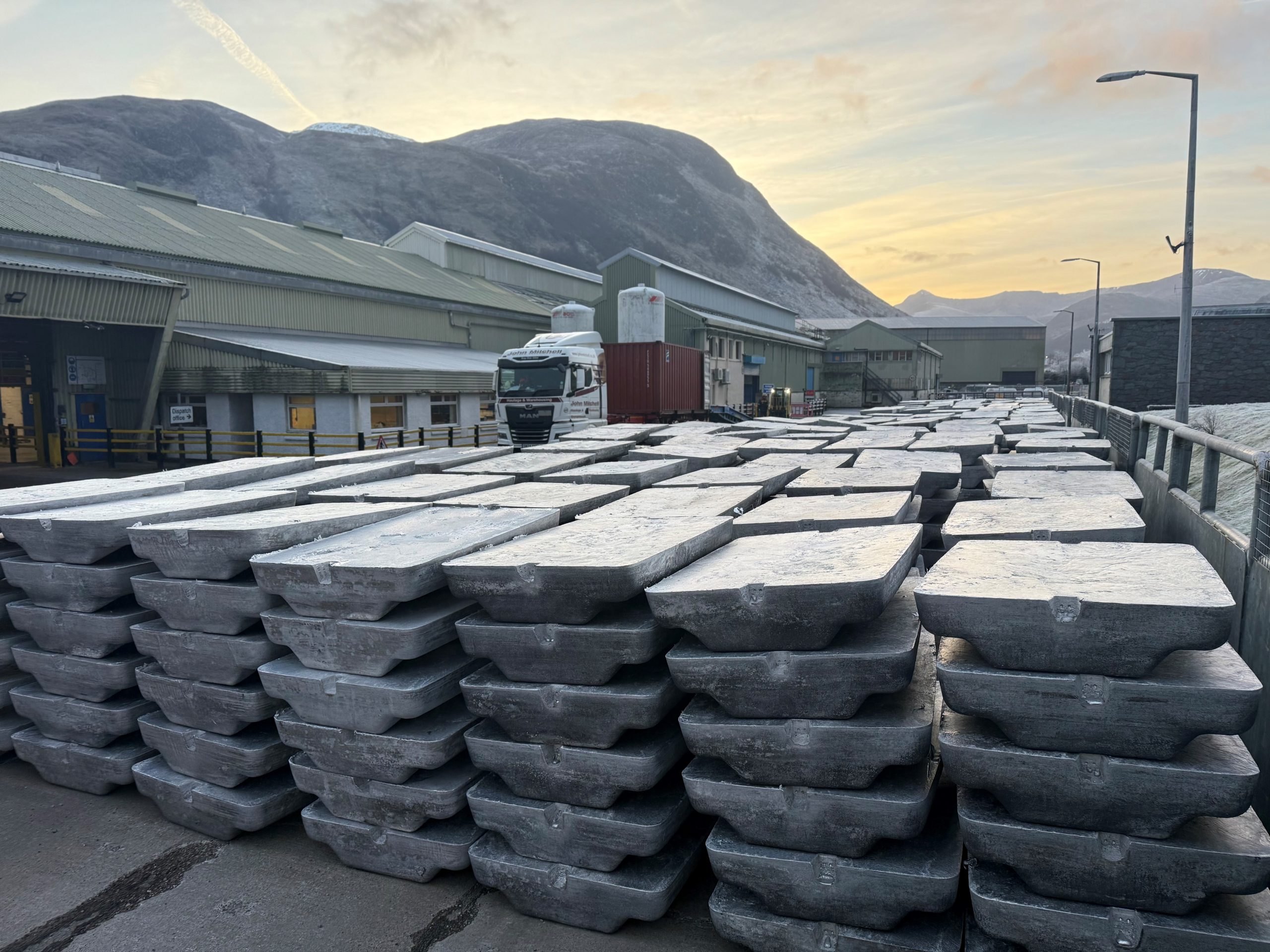 News
News
Lochaber Aluminium Expands Global Reach with U.S. Supply
Recent media coverage has highlighted how aluminium produced in the Scottish Highlands is now reaching customers in the United States....
Read More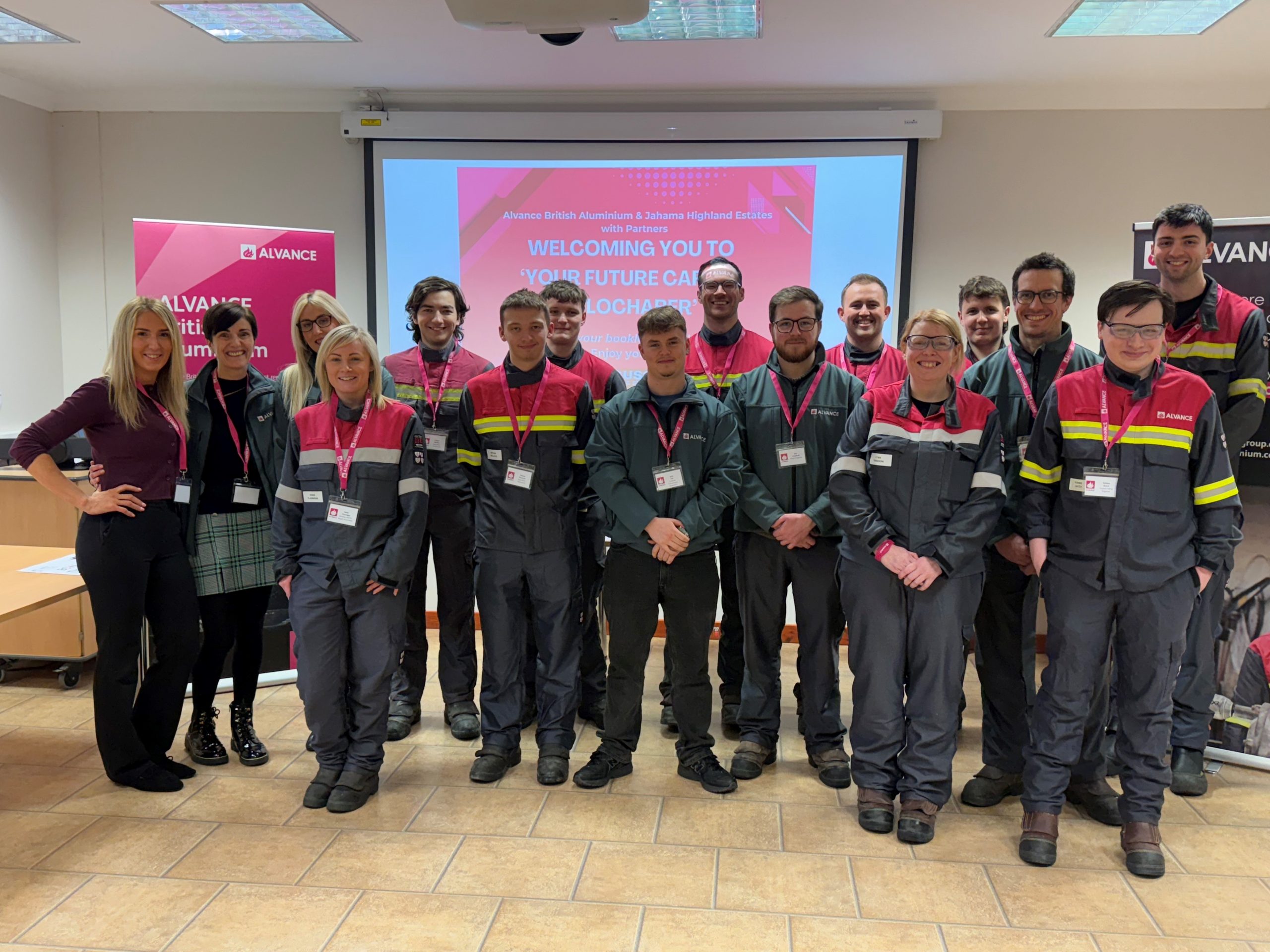 Press Release
Your Future Career in Lochaber Returns in 2026, Opening Doors to Local Opportunities
A collaborative careers initiative aimed at showcasing opportunities across Lochaber has returned for 2026, taking place on Wednesday 4th...
Read More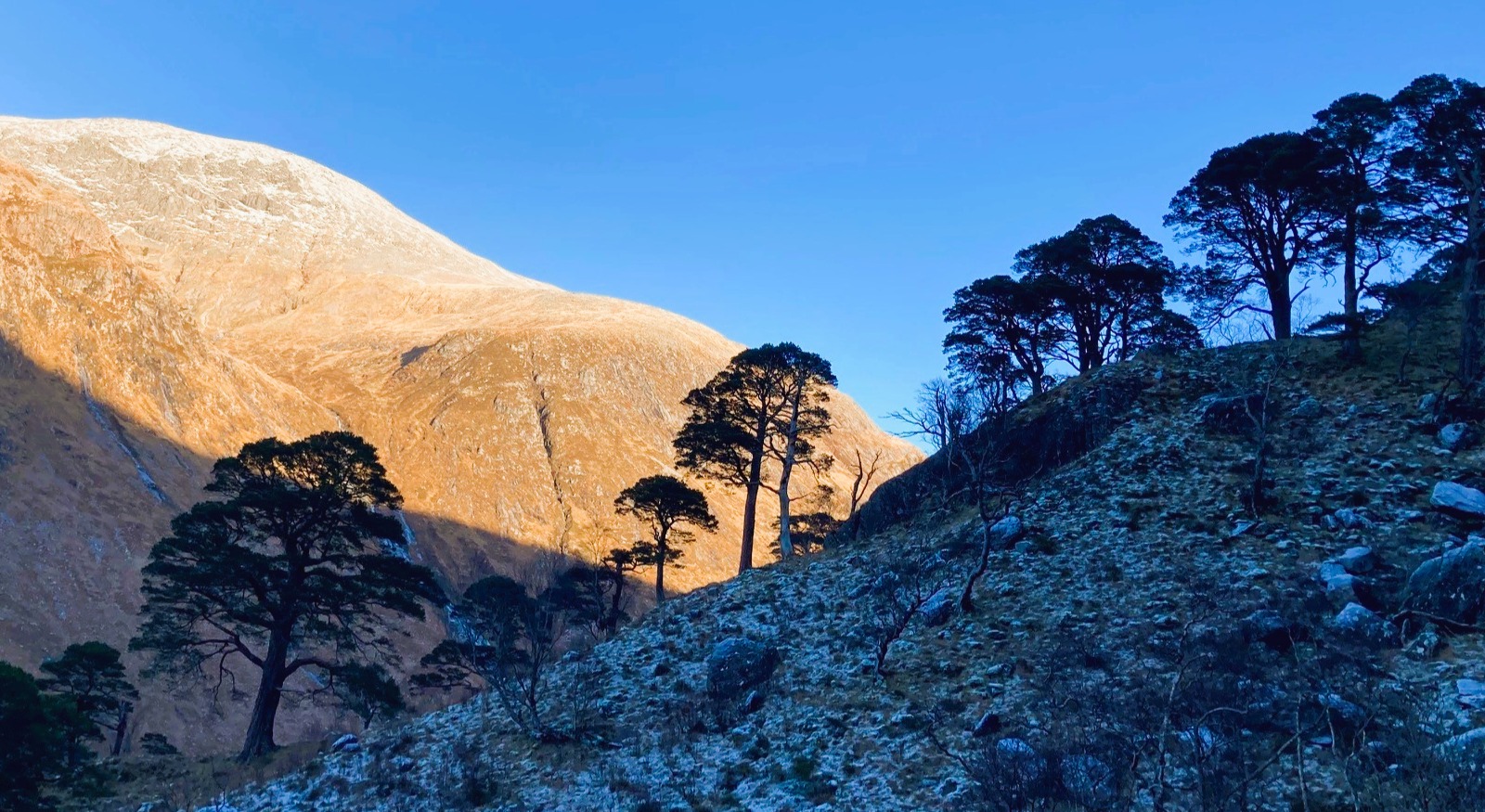 Press Release
JAHAMA Highland Estates announces major Scottish Highlands native woodland recovery plan
Multi-enterprise rural business JAHAMA Highland Estates has today announced one of the UK’s largest woodland regeneration schemes, committing to quadruple...
Read More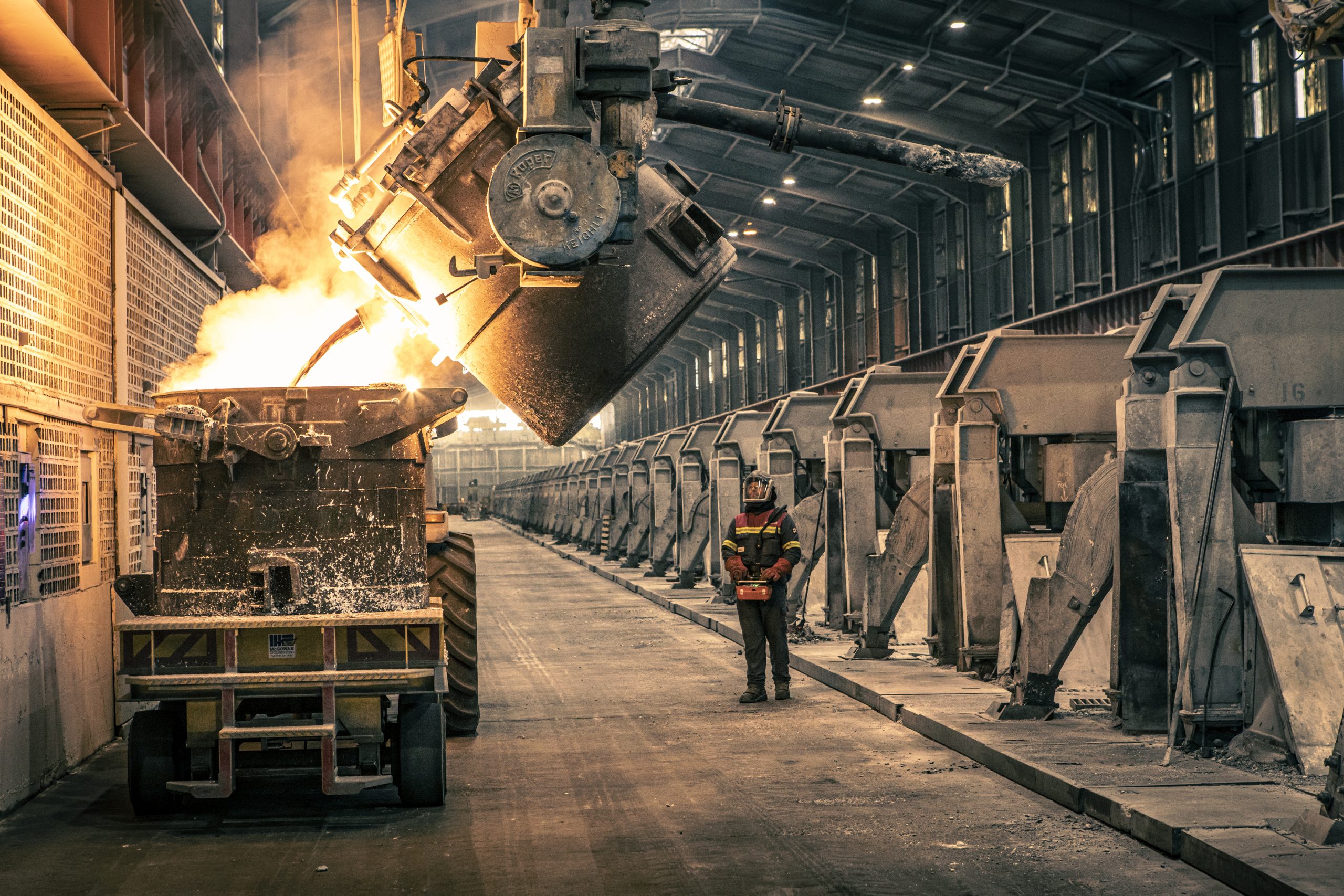 Blog
Blog
How primary aluminium is made in Lochaber
Aluminium is used in almost every part of daily life, from vehicles and buildings to packaging and technology. It is...
Read More Press Release
Unsung hero of Glasgow climbing scene, Willie Gorman, honoured in top mountain award
The Fort William Mountain Festival has this week awarded its 19th annual Scottish Award for Excellence in Mountain Culture, sponsored...
Read More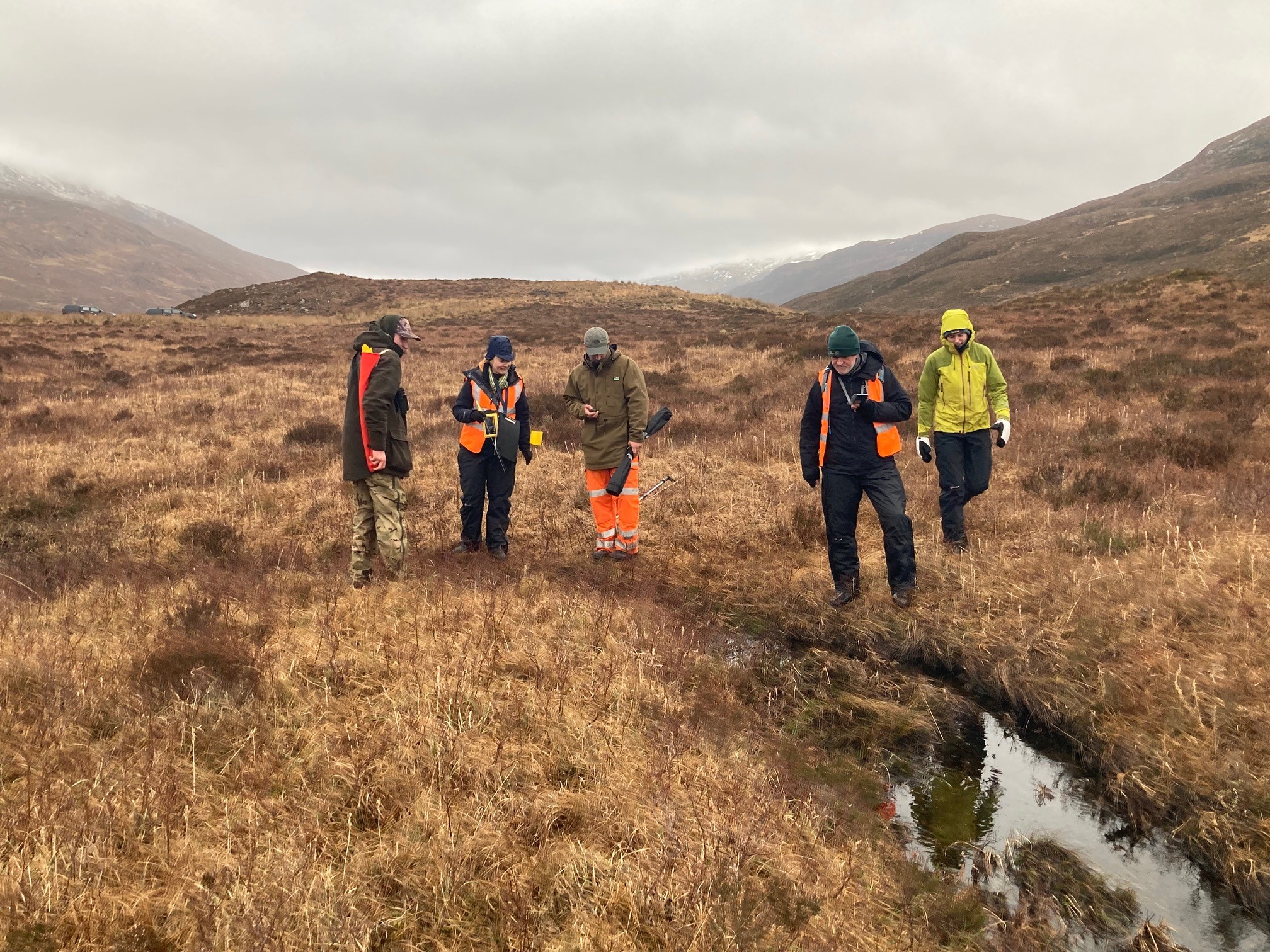 News
News
Restoring Landscapes to Support Sustainable Aluminium Production
Recently, we welcomed the British Dragonfly Society (BDS) to our Mamore Estate on Jahama Highland Estates as part of our wider...
Read More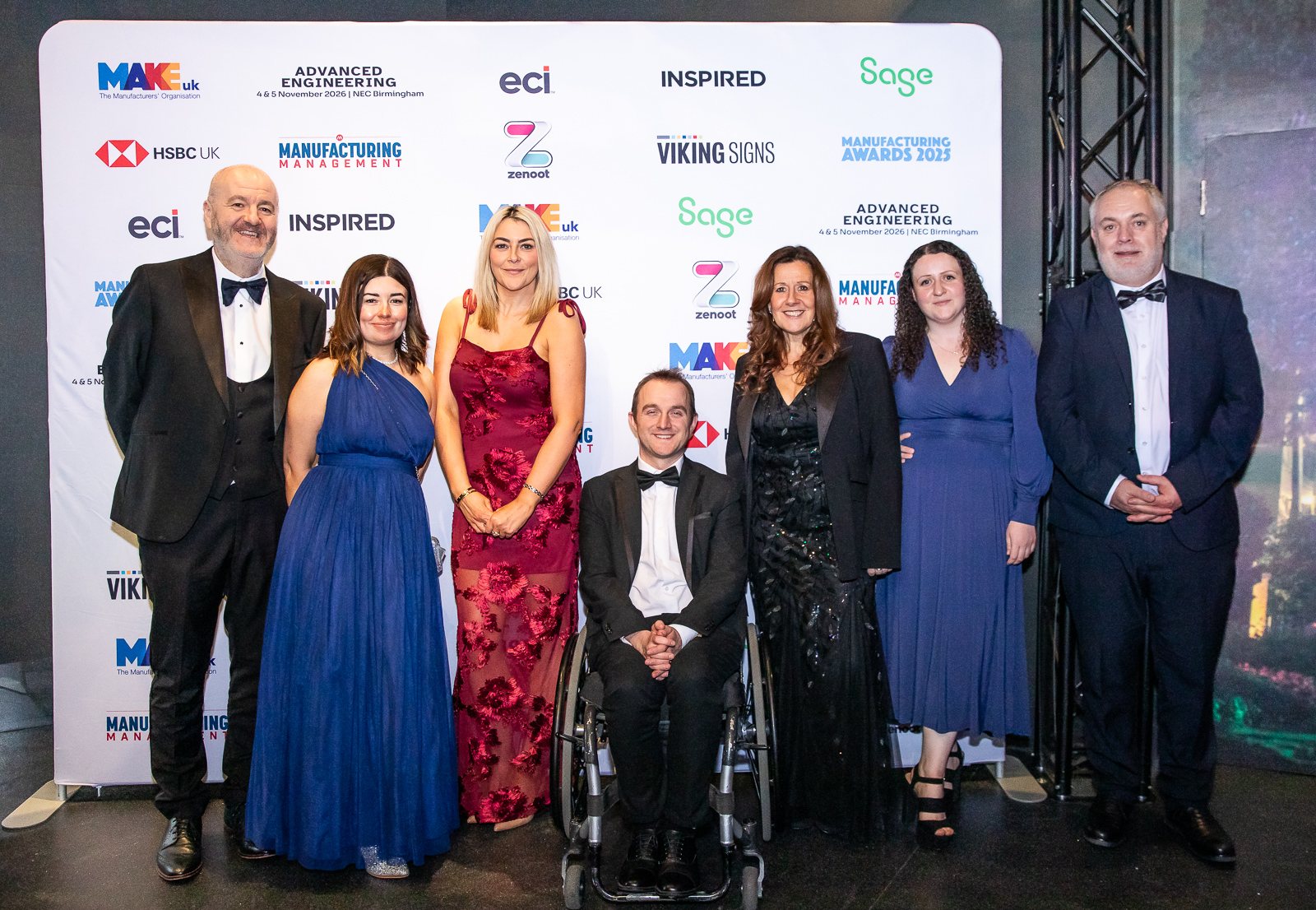 Press Release
Alvance British Aluminium recognised nationally for developing future talent
Alvance British Aluminium has been recognised at the Make UK Manufacturing Awards, reaching the national finals in the Developing...
Read More
News
Your Future Career in Lochaber 2026 – Limited Spaces Available
We’re delighted to welcome you to Your Future Career in Lochaber, taking place on Wednesday 4 March 2026, 3pm–6pm, at...
Read More