- 03/02/2026
- News
Restoring Landscapes to Support Sustainable Aluminium Production
Recently, we welcomed the British Dragonfly Society (BDS) to our Mamore Estate on Jahama Highland Estates as part of our wider commitment to responsible land stewardship and sustainable aluminium production.
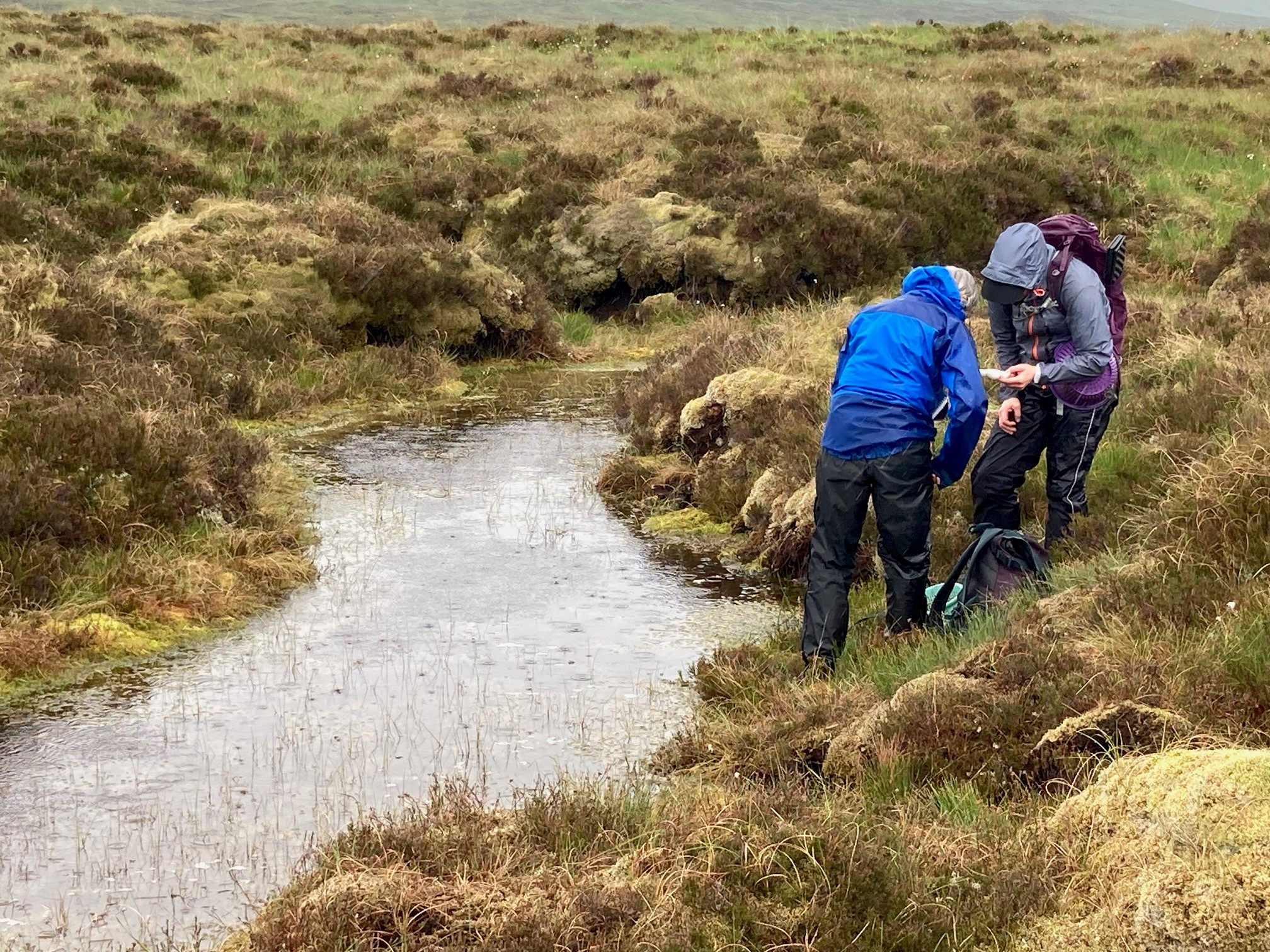
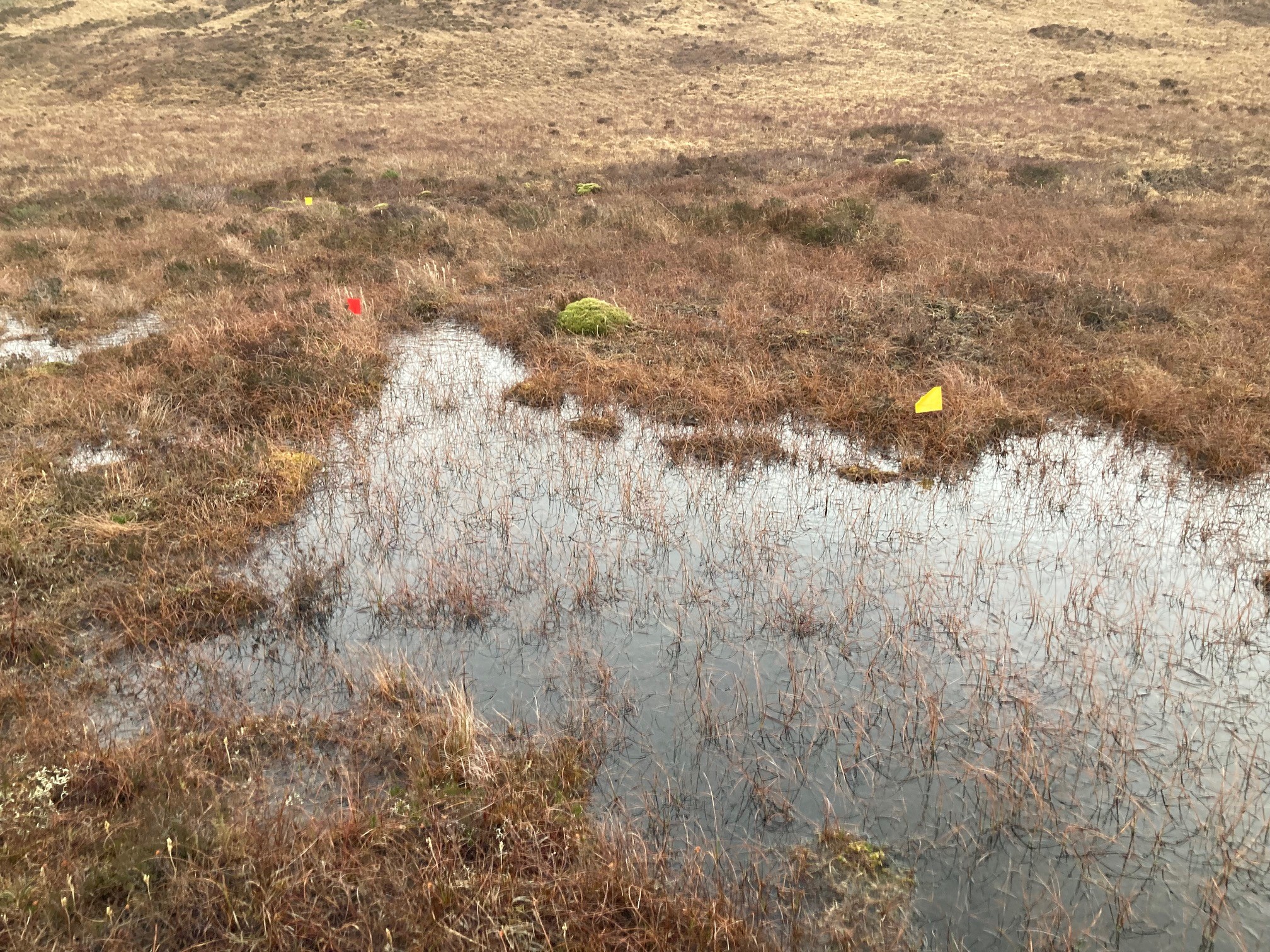
The visit focused on an environmental impact assessment at a proposed peatland re-wetting site at the south end of Loch Eilde Mhor. Protecting and restoring these landscapes plays an important role in supporting the long-term resilience of the natural systems that underpin our operations — particularly water resources, which are critical to low-carbon aluminium production.
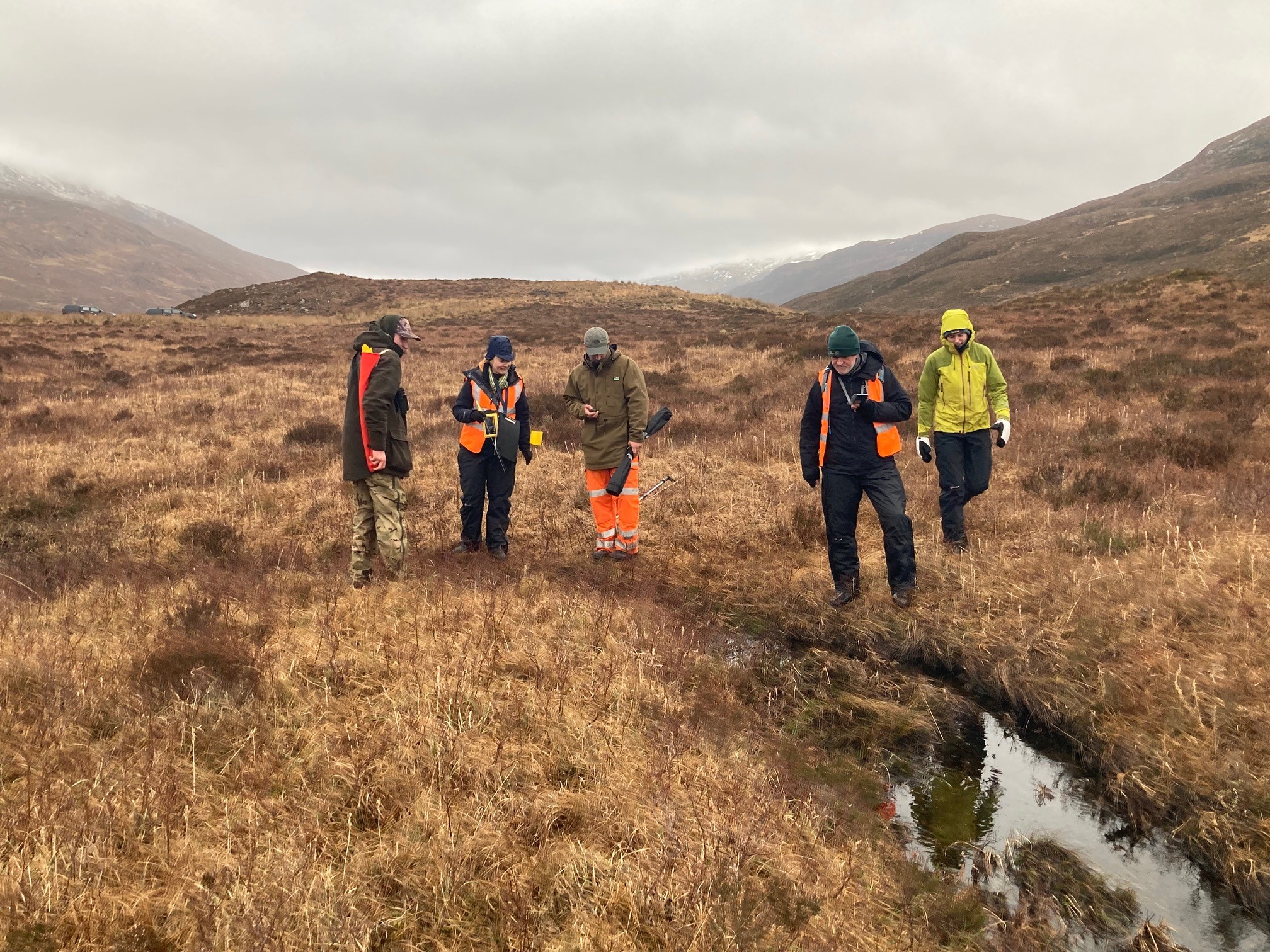
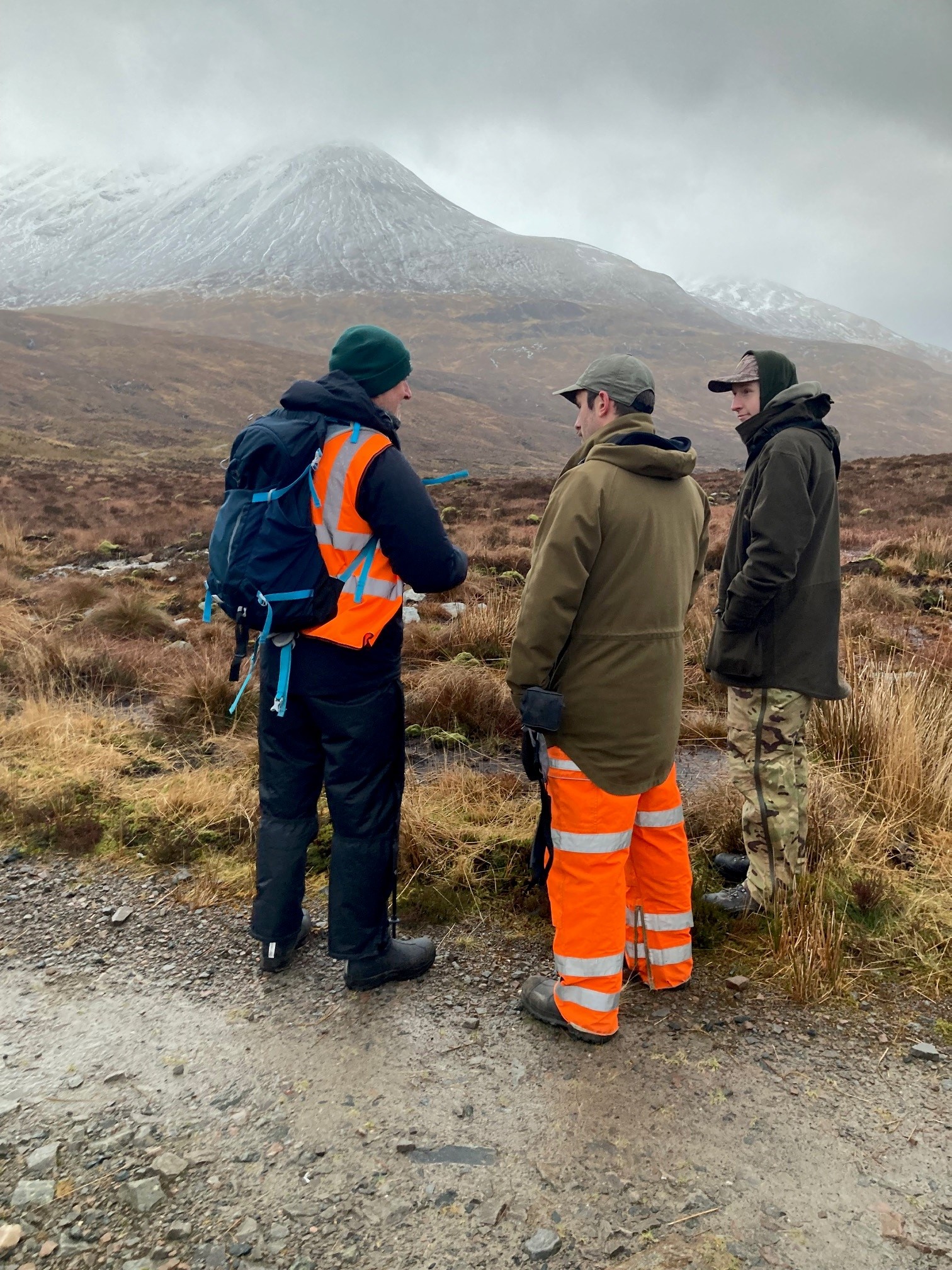
The site visit was hosted by our under-stalkers Blair Nicholson (Mamore), Kirstin Oakley (Glenshero) and Cameron Milne (Killiechonate), who worked alongside BDS specialists during the assessments and helped mark out the next planned phase of peatland restoration. Bringing together local land knowledge and specialist ecological expertise allows us to deliver restoration projects that are both practical and scientifically informed.
Two specialists from the British Dragonfly Society were on site: one to complete the ecological assessment and another to identify areas of peatland that can be restored in a way that supports a range of endangered species. Healthy peatlands play a vital role in water regulation, carbon storage and biodiversity — all key elements of a responsible, low-carbon aluminium value chain.
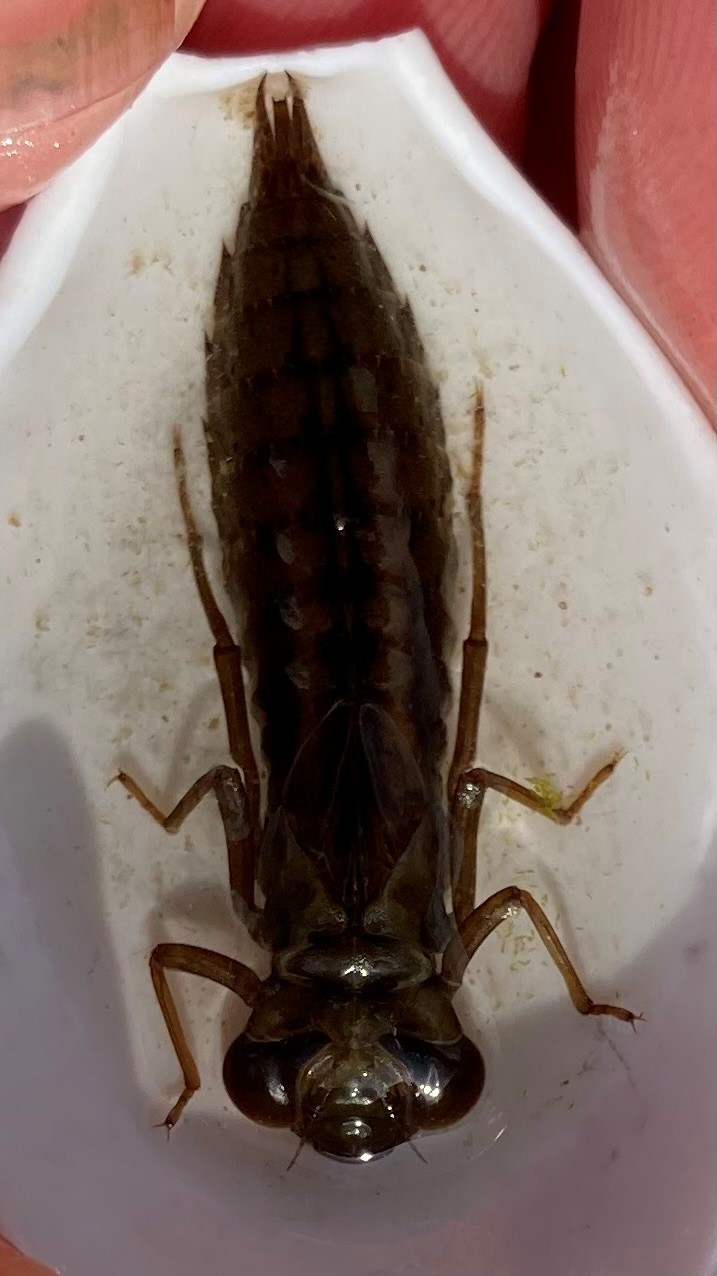
Our collaboration with BDS aims to create more resilient habitats for rare Scottish dragonfly species as the climate changes and parts of our landholdings become drier. These include:
-
Azure Hawker and Northern Emerald, both confined within Britain to Scotland
-
White-faced Darter, which has a predominantly northern distribution
All three species are classified as Red List – Endangered. The restoration work will also benefit Common Hawker and Black Darter, both of which have recently moved from Least Concern to Near Threatened on the British Red List.
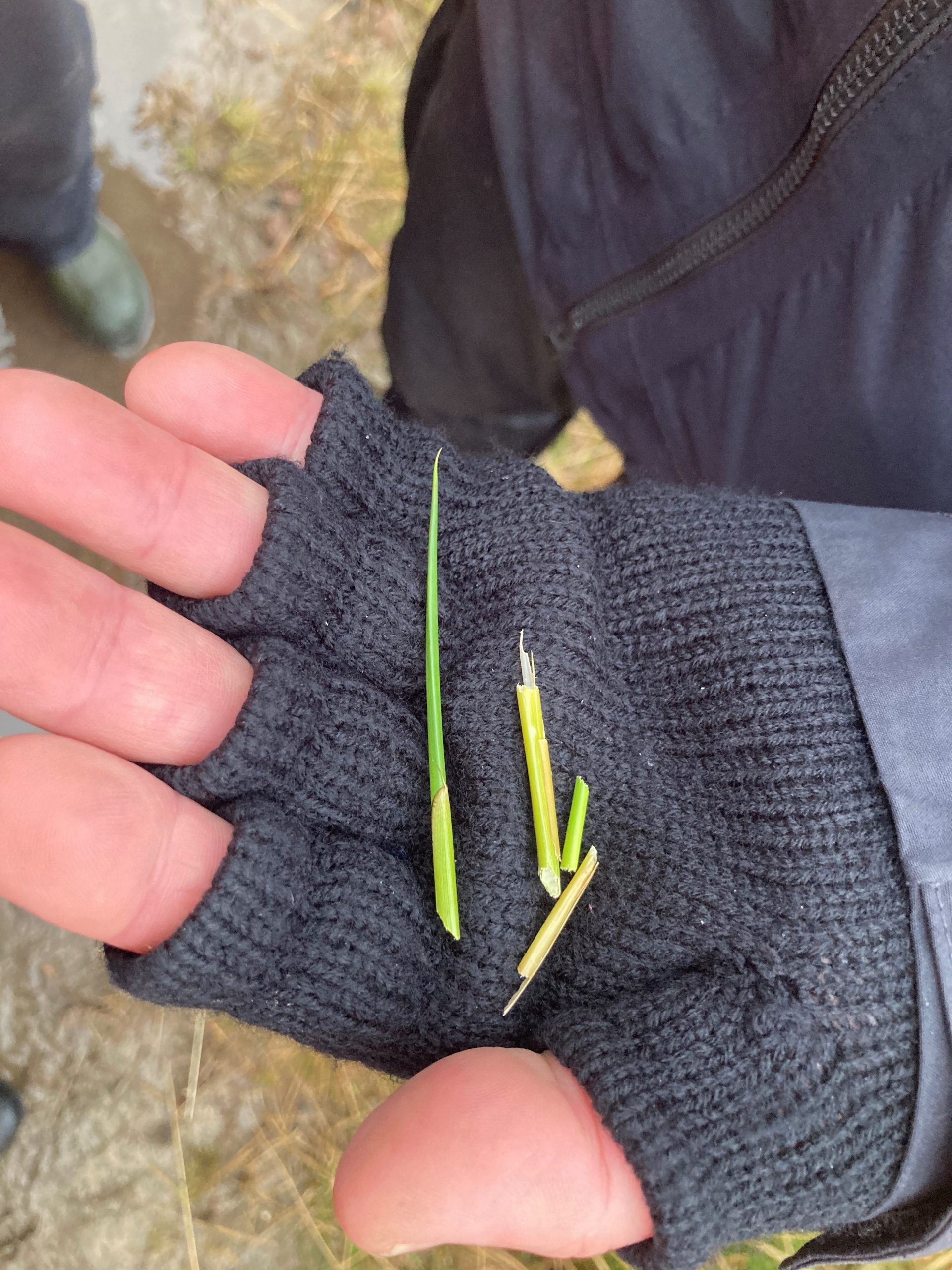
During the assessment, our team also identified evidence of water voles near Loch Eilde Mhor. Typical 45-degree feeding marks and water vole droppings were found at an elevation of approximately 260 metres, indicating a resident population at higher altitude than usually recorded. This discovery will now help inform how restoration work progresses, ensuring these protected species are supported alongside landscape recovery.
Looking ahead, we will continue to deliver peatland restoration across our estates in the coming years. By restoring wetted landscapes, we are helping to secure water resilience, store carbon and enhance biodiversity — all of which support the sustainable production of low-carbon aluminium and our long-term commitment to environmental responsibility.
Latest News
View All News
News
On Air with the BBC: Energy, Volatility and the Reality of UK Aluminium Production
Aluminium may sit quietly in the background of modern life, but its production sits right at the centre of some...
Read More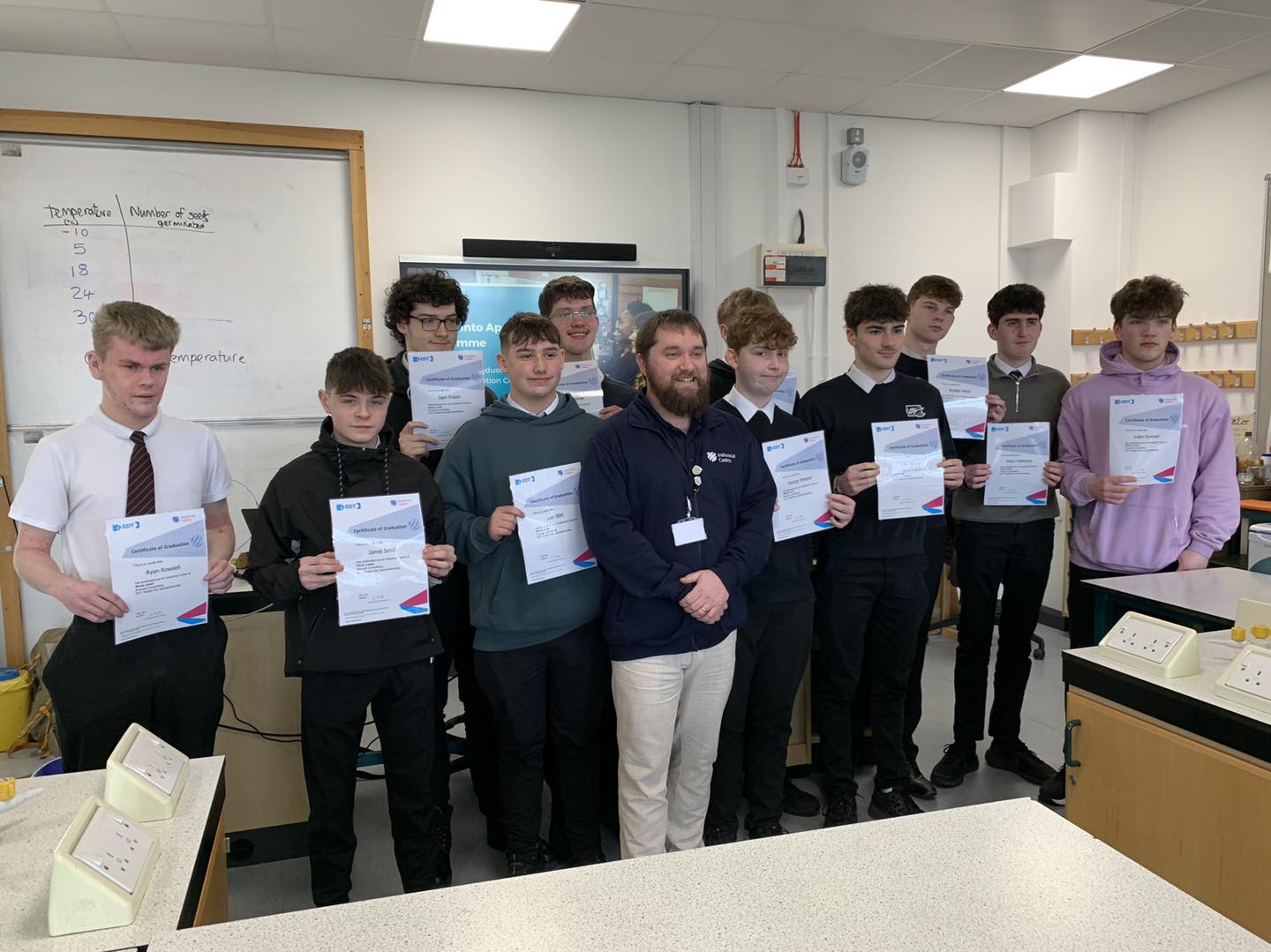 News
News
School Engagement in Action Across Lochaber
At Alvance British Aluminium, we believe the future of industry in Lochaber is built through strong connections with local schools,...
Read More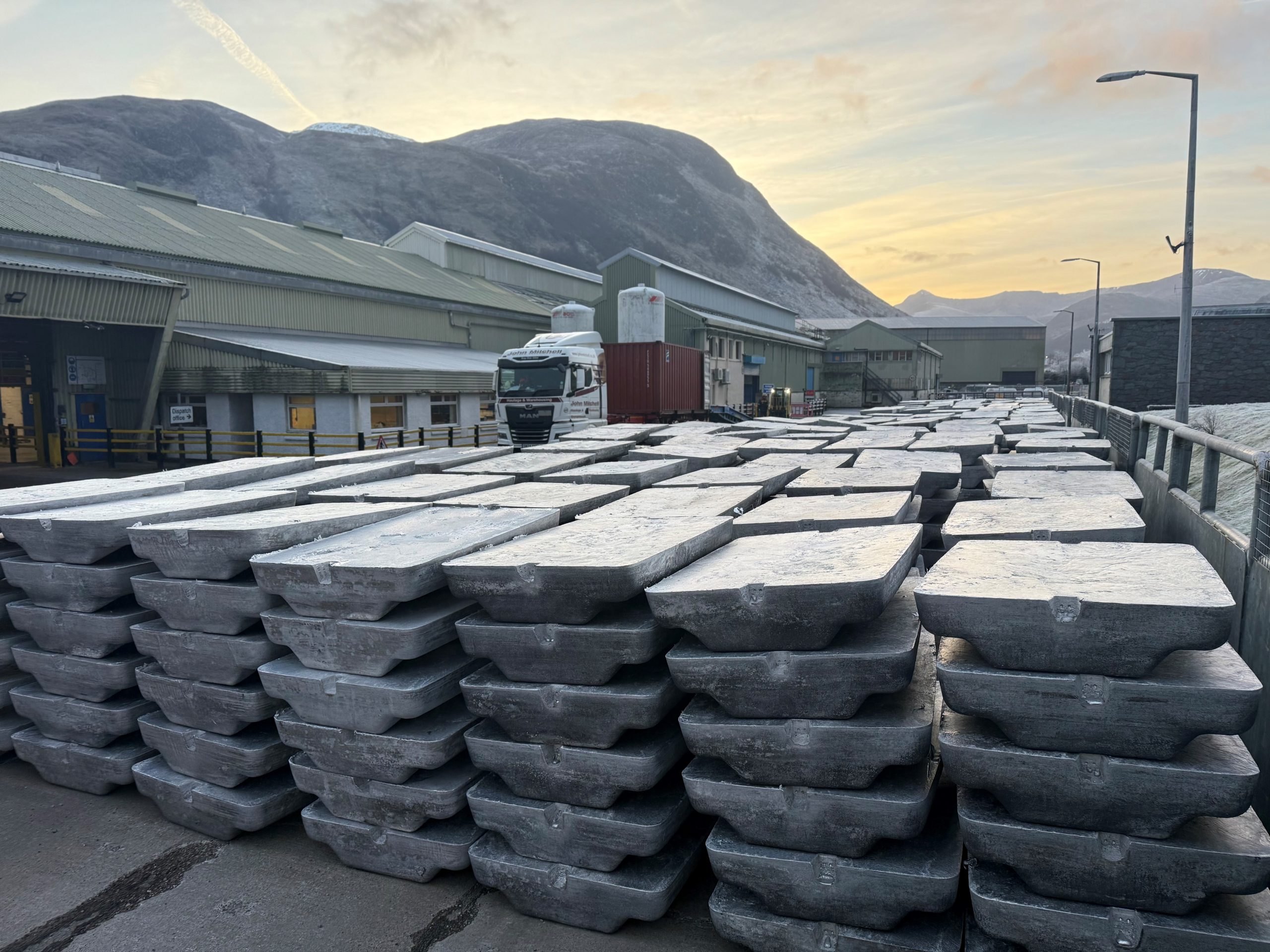 News
News
Lochaber Aluminium Expands Global Reach with U.S. Supply
Recent media coverage has highlighted how aluminium produced in the Scottish Highlands is now reaching customers in the United States....
Read More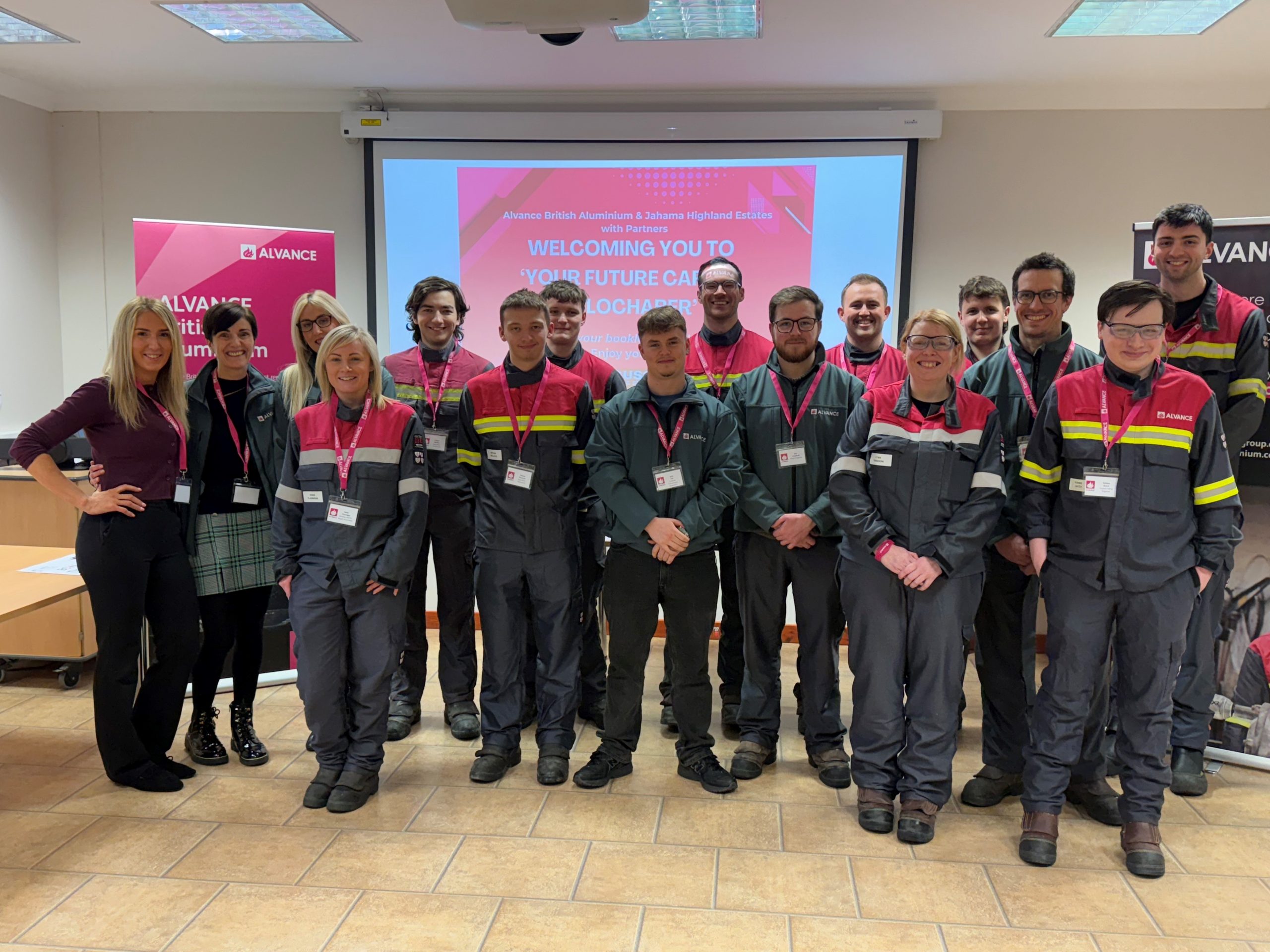 Press Release
Your Future Career in Lochaber Returns in 2026, Opening Doors to Local Opportunities
A collaborative careers initiative aimed at showcasing opportunities across Lochaber has returned for 2026, taking place on Wednesday 4th...
Read More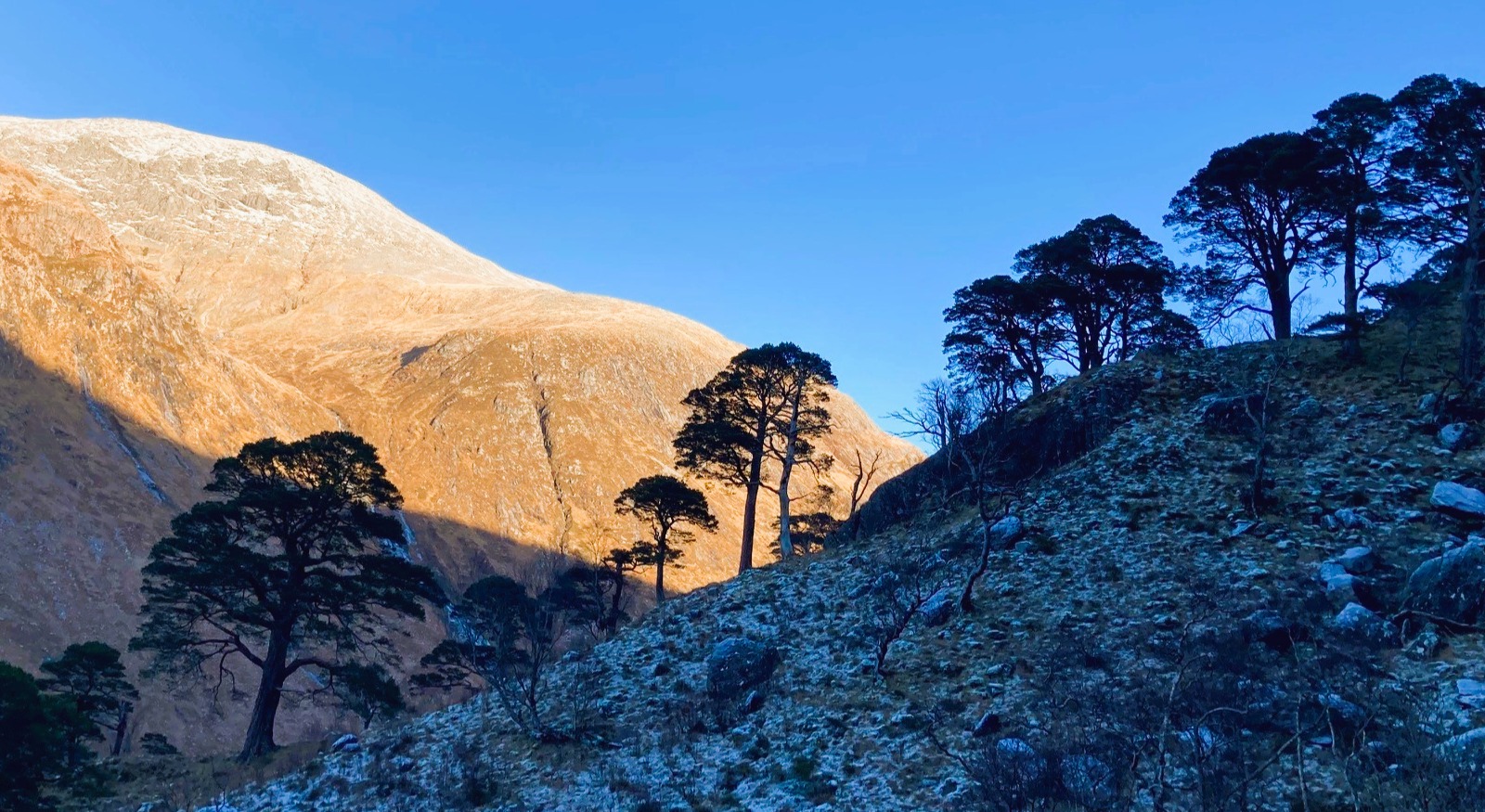 Press Release
JAHAMA Highland Estates announces major Scottish Highlands native woodland recovery plan
Multi-enterprise rural business JAHAMA Highland Estates has today announced one of the UK’s largest woodland regeneration schemes, committing to quadruple...
Read More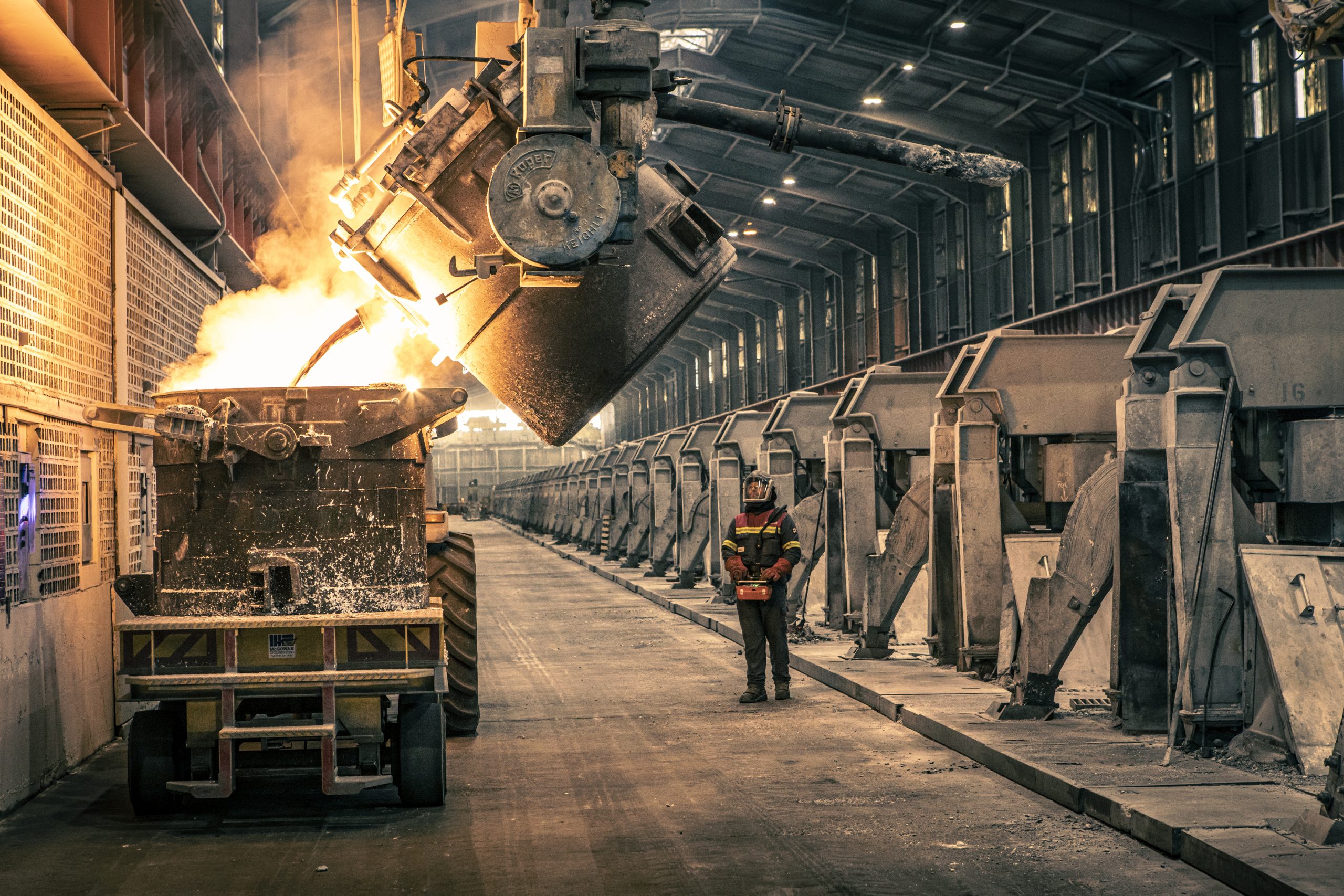 Blog
Blog
How primary aluminium is made in Lochaber
Aluminium is used in almost every part of daily life, from vehicles and buildings to packaging and technology. It is...
Read More Press Release
Unsung hero of Glasgow climbing scene, Willie Gorman, honoured in top mountain award
The Fort William Mountain Festival has this week awarded its 19th annual Scottish Award for Excellence in Mountain Culture, sponsored...
Read More
News
Restoring Landscapes to Support Sustainable Aluminium Production
Recently, we welcomed the British Dragonfly Society (BDS) to our Mamore Estate on Jahama Highland Estates as part of our wider...
Read More